Social Entrepreneurship to Spur Health (SESH)
Our mission is to use participatory approaches to design health services that are creative, equitable and effective.
The SESH (Social Entrepreneurship to Spur Health) initiative is a partnership joining individuals from the Southern Medical University Dermatology Hospital, the London School of Hygiene and Tropical Medicine, and the University of North Carolina-Project China. The main goal of this group is to create more creative, equitable, and effective health services using crowdsourcing open calls and other social entrepreneurship tools. Crowdsourcing is the process of having a group solve a problem and then sharing that solution widely with the public. SESH is the Social Innovation in Health Initiative Hub for China.
OUR FOCUS
The SESH team is excited about crowdsourcing challenges in which an open call is used to solicit innovative responses from local individuals. Our team conducts research, training, and services related to crowdsourcing challenges. The SESH team organized four randomized controlled trials evaluating crowdsourcing approaches to improve health outcomes in China (NCT02796963, NCT02248558, NCT02516930, NCT03482388). The team organizes an annual training workshop in Guangzhou focused on crowdsourcing and sexual health. Finally, the team leads and serves as a partner on many crowdsourcing challenge contests.
OUR ACTIVITIES
Research Grant Writing
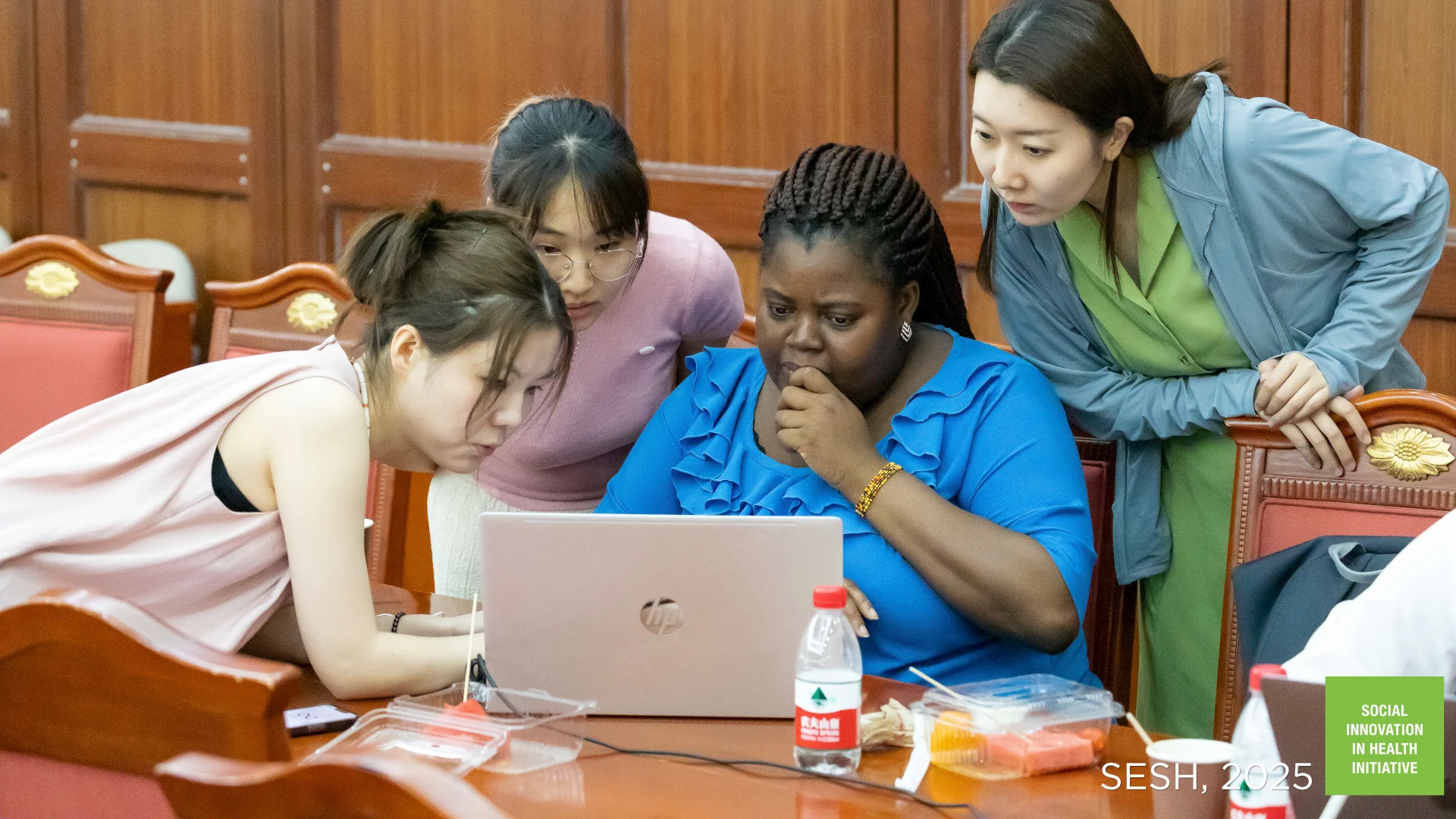
We organize an annual participatory grant-o-thon that provides an opportunity for early career researchers to get support and write their first US NIH grant. A grant-o-thon is a multi-stage participatory event that includes an open call for participants and ideas, an intensive period planning a research grant, and a follow-up to enhance grant submission. This strategy is an example of crowdsourcing and is related to “designathons”, hackathons, and other forms of collaboration. The purpose of this grant-o-thon is two-fold:
- to build capacity for early career researchers (graduate students, postdoctoral fellows, and those within ten years of their terminal degree) to submit successful US NIH research grants and
- to enhance collaboration between and within research teams.
This annual workshop includes a 30-minute open-call lecture and a 60-minute interactive workshop. In this highly interactive workshop, principal investigators and reviewers of NIH grant applications will guide participants through a comprehensive overview of the grant writing process. Through the workshop, mentees will have the opportunity to engage with and pose questions to experienced mentors. More information can be found here: SESH Global | LEARNING
Social Innovation in Health Training Workshop
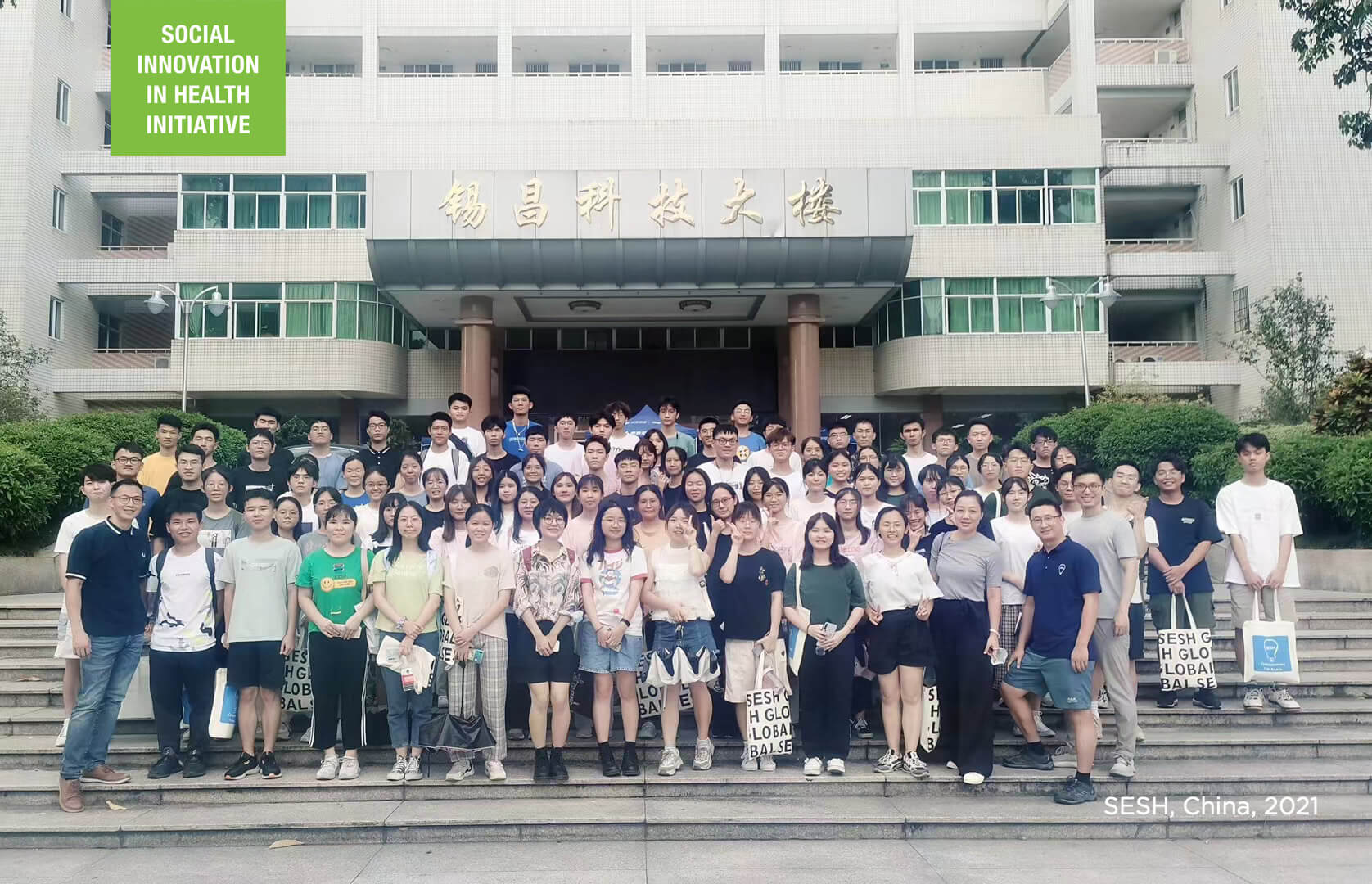
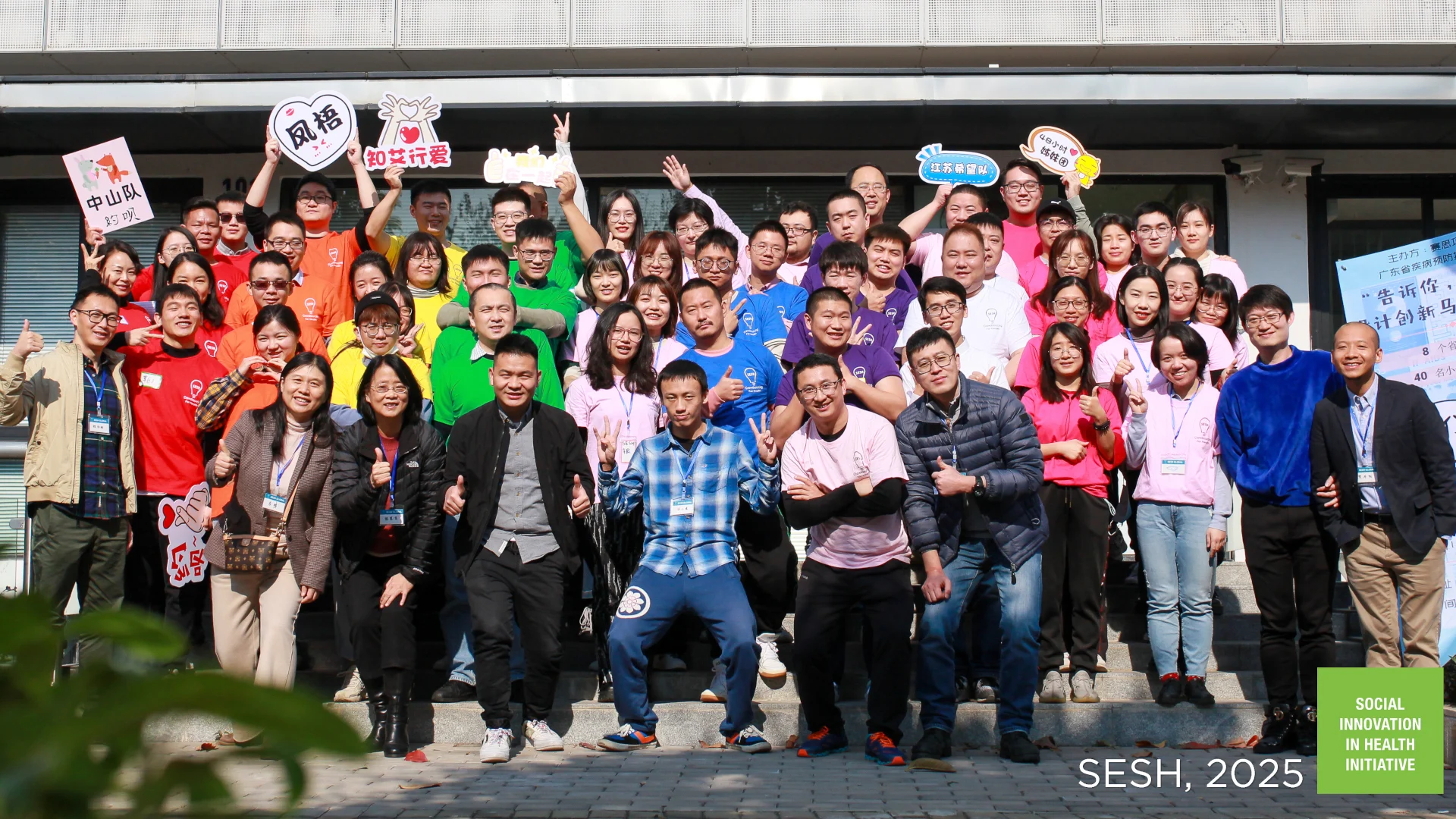
Our team has helped to organize an annual mid-year training workshop focused on social innovation in health. This is a series of eight one-hour workshops. A description of how this was developed has been published (abstract here). This workshop is usually held from June to July each year. The purpose of this workshop is to enhance understanding of social innovation in health and its core components. Social innovation fellows and researchers will present one-hour workshops focused on community-engaged research, infectious diseases of poverty, crowdfunding, and related topics. More information can be found here: SESH Global | LEARNING
Participatory Methods
Crowdsourcing Research
NIAID R01
Our team successfully applied for a 3.1 million USD NIAID R01 grant (1R01AI114310, 2014-2019, P.I.: Tucker). The primary purpose of this research is to evaluate crowdsourcing as a tool for enhancing HIV testing and linkage to care. The publications included original research manuscripts in PLoS Medicine, Lancet Infectious Diseases, and Lancet HIV. Based on the data generated from this study, the World Health Organization commissioned our team to develop a practical guide on crowdsourcing in health and health research (details here).
NIMH R34
We obtained a grant (1R34MH119963-01,2019-2022, M.P.I.: Tang/Tucker) with the overarching goal of using novel methodologies such as crowdsourcing to improve the social-network distribution of HIV self-tests among Chinese MSM. Building on many years of successful UNC-China collaboration, this research project extends the existing cooperation. This study resulted publications including in Lancet HIV, Sex Transm Dis, and Clin Infect Dis.
WHO TDR Project
WHO provided $190,000 financial support to our team for spurring social innovation through crowdsourcing, strengthening the existing collaborations within the SIHI network, and supporting the SIHI fellows to conduct their own crowdsourcing projects in resource-limited contexts. In 2019, the SESH team created a global consensus statement on crowdsourcing. In addition, we built capacity for crowdsourcing in LMIC settings. We assisted new crowdsourcing projects in Eswatini, Nigeria, China, and Senegal that have collectively solicited over 1000 submissions. This has led to the development of four WHO guides, generated several successful research grant applications, and trained many students.
Pay-It-Forward
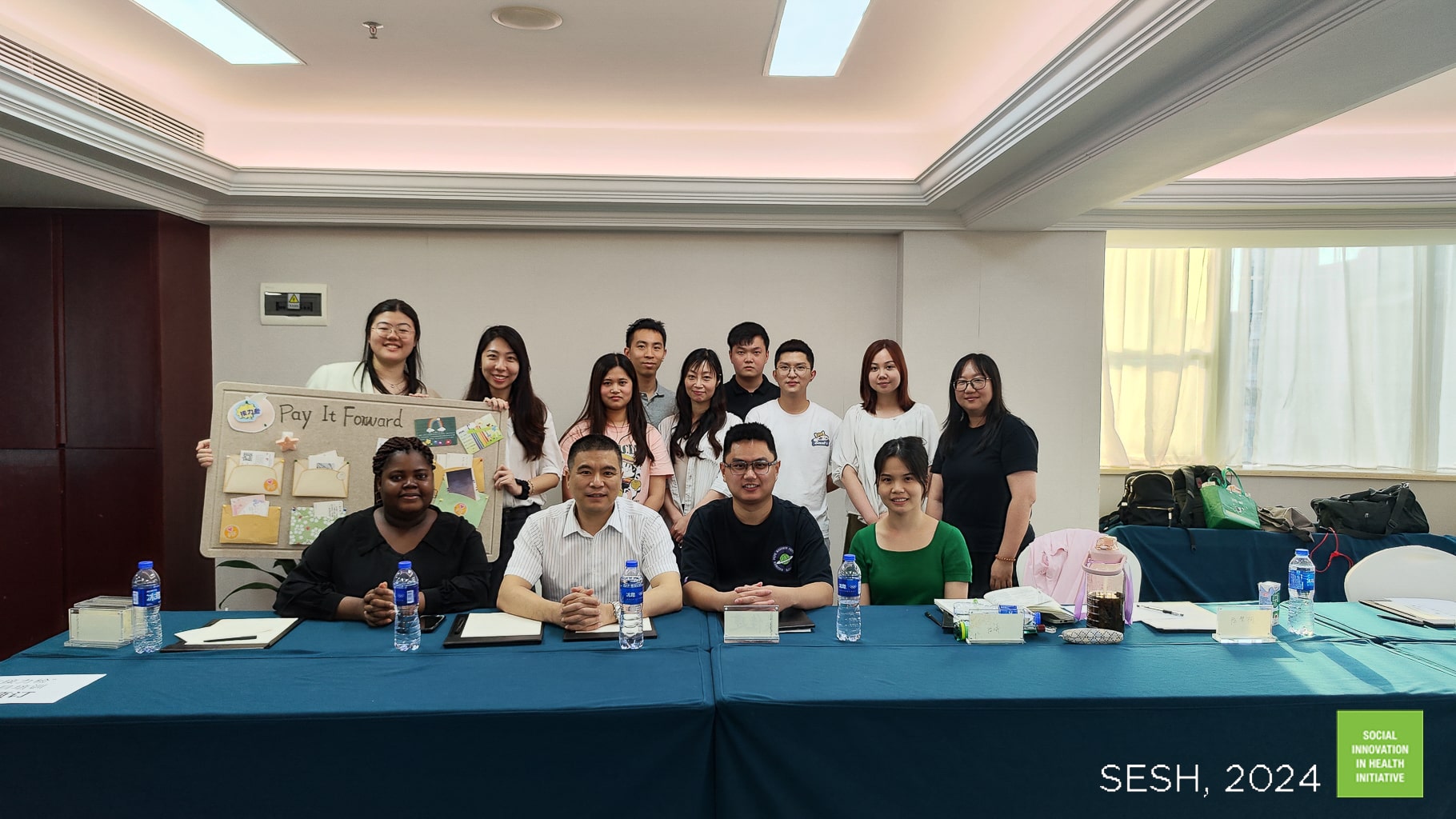
Pay-It-Forward has a person receive a gift (e.g., a free health service along with a handwritten postcard) and then decide if they would like to donate money or write a postcard to support others to receive the same health service. Pay-it-forward approaches provide health, social, and financial benefits. From a health perspective, randomized controlled trials demonstrate that a pay-it-forward approach increases test uptake and vaccine uptake. From a social perspective, a pay-it-forward approach mobilizes communities to help each other. From a financial perspective, donations from pay-it-forward can catalyze broader service provision and accelerate public provision of health services.
Innovation Identification Call
In the first half of 2024 (1 Feb-1 April), we organized the Social Innovation in Health Learning Competencies Global Crowdsourcing Open Call in collaboration with SIHI, SIDA, and TDR. It aimed to identify effective practices and strategies for learning and teaching about social innovation in health, as well as key competencies for the design, implementation, and sustainable delivery of these innovations. The open call garnered 39 submissions from participants worldwide, ultimately recognizing eight finalists. This process facilitated the identification of innovative educational practices and contributed to the development of a finalized competency checklist through a rigorous Delphi process.
We also collaborated with UNICEF, UNAIDS, WHO, 4 Youth By Youth (4YBY), SIHI, and TDR to promote the “Blueprint open call: calling all change-makers!” This initiative targeted adolescents (10-19 years old) globally to devise innovative solutions for enhancing adolescent health and well-being in communities severely impacted by HIV. The call received 357 submissions from 37 countries, with 107 ideas deemed eligible. The majority of the participants (66%) were 20-30 years old, whereas 28% were 10-19 years old. We also collaborated with UNICEF, UNAIDS, and WHO to conduct a systematic review and meta-analysis to further determine the effectiveness of HIV interventions among adolescents in high-burden HIV countries. Read the publication.
In early December 2024, we launched the Co-creation with Youth for Health Programs and Research Global Crowdsourcing Open Call. This initiative, in collaboration with SIHI, aims to gather experiences, good practices, and practical tips on co-creation with youth to inform the development of a practical guide for organizing youth-inclusive co-creation programs and research. Exceptional ideas will be recognized by the UNICEF/UNDP/World Bank/WHO TDR and included in the practical guide. Additionally, four selected finalists will receive support to participate in an in-person co-creation participatory workshop in Montreal, Canada, in 2025. Simultaneously, we are conducting a systematic review and developing a conceptual framework on practical steps and methods for co-creation. These efforts will complement the findings of the open call, ensuring a comprehensive and robust guide for co-creation practices.
The SESH team, in collaboration with the Social Innovation in Health Initiative (SIHI), launched the “Youth Co-Creation for Health Programs and Research” global crowdsourcing open call. Conducted from December 2024 to January 2025, with final review and follow-up in the second quarter, the call identified exceptional youth-led innovations in co-creation. Four finalists were selected and will attend a participatory co-creation workshop in Montreal in 2025. Findings from the open call will inform the development of a practical guide on youth-inclusive co-creation in health programs and research.
Phoenix Open Call on Sustaining HIV Services in Resource-Constrained Settings: Organized by INSPIRE and SESH Global from October to November 2025, this open call aims to gather actionable solutions that support organizations in maintaining HIV services despite systemic and operational challenges.
Partnership Building
In the second quarter of 2025, SESH strengthened global partnerships through two major collaborations. From May 20–21, SESH participated in a WHO/TDR participatory designathon on inclusive research mentorship in Addis Ababa, co-hosted with Armauer Hansen Research Institute (AHRI), the London School of Hygiene & Tropical Medicine (LSHTM), and SESH. The event informed the forthcoming HERMES 2.0 guide. SESH also co-hosted a global PhD Scholarship Webinar with the University of North Carolina Institute for Global Health and Infectious Diseases (UNC-IGHID), featuring speakers from UNC, Oxford College of Emory University, LSHTM, and Southern Medical University. With 144 registrants, the session provided practical advice and launched a resource guide for aspiring PhD students worldwide.
Grant-o-thon Workshop 2025: This workshop took place from October 7 to November 25, 2025. All eight sessions have now concluded, and featured weekly 45-minute open-call lectures along with 60-minute participatory small group activities. This workshop attracted over 3,000 registrations, with 242 specific aims submitted. All course slides and video recordings are now available online. If you are interested in learning more about grant writing, please visit our website here.
Grant Fellowship Program
Q4 2025: Dr Lan Li, a UNC Project–China postdoctoral fellow, has received a Trinity seed funding to lead Win Against Resistance, a community health campaign addressing antimicrobial resistance in China. Implemented through SESH Global, the project focuses on families with children aged 0–14, promoting responsible antibiotic use and improved vaccination awareness.
Case Study Research
In the second half of 2024, the TDR Global team advanced the implementation of the Health Research Mentorship in Low and Middle-Income Countries (HERMES) practical guide, focusing on equity, inclusivity, and sustainability. A significant initiative was piloting Mutual Mentorship within the SESH network to address disparities in mentorship opportunities and foster collaboration and innovation.
This pilot introduced a reverse mentorship model where junior researchers contributed innovative ideas and technical skills, while senior researchers shared their extensive experience and best practices. The goal was to create a more inclusive mentorship dynamic that challenged traditional hierarchies and fostered equitable relationships.
The initiative involved participants from across the SESH network, enriching the mentorship process and demonstrating the adaptability of the model. The pilot was conducted from July to November 2024, with the results presented at the WHO/TDR meeting, “Lessons Learnt from Six HERMES Mentorship Pilots.” Key outcomes included improved collaboration, enhanced technical capacity for senior researchers, and leadership skill-building for junior researchers.
Currently, we are drafting a case study to summarize these findings for inclusion in the revised guide.
Our study, published in eClinicalMedicine, involved a systematic review and crowdsourcing open call to identify community-engaged interventions for chronic viral hepatitis. It explored both documented approaches and grassroots strategies not yet reflected in academic literature. Findings revealed that community engagement and advocacy efforts improved outcomes across the hepatitis care continuum, from testing to cure. These results support implementing community-driven models in resource-limited settings and highlight the need for supportive, context-specific policies, particularly in Asia and Africa, where the hepatitis burden is highest.
WHO/TDR SIHI Practical Guide
In 2017, we worked with the SIHI team to develop a practical guide on crowdsourcing challenges for health and health research. This guide was field-tested in several countries and was launched at the 22nd International AIDS Conference in July 2018. Download the guide here.
The Social Innovation Monitoring and Evaluation Framework, published by WHO/TDR in 2021, provides guidance for researchers, innovators, community members, decision-makers, and other social innovation stakeholders on how to monitor and evaluate all stages of the social innovation development process to ensure effectiveness, sustainability, and scalability.
The Designathon Practical Guide was published by WHO/TDR in 2024, fostering rapid innovation, user-centered solutions, and cross-disciplinary collaboration. We have been actively disseminating the guide through various collaborations and participatory events.
Go Youth Open Call
SESH organized a global crowdsourcing open call (Go Youth!) focused on youth social innovation using the TDR “Practical Guide on Crowdsourcing in Health and Health Research”. The Go Youth! Global Open Call 2022 successfully established a global and diverse steering committee with representatives worldwide, including youth innovators. We received 156 submissions for the open call. Submissions have been made in English, Arabic, Spanish and French, mainly representing low-to-middle-income countries such as South Africa, Uganda, Laos, Nigeria, Philippines, India, Nepal, and many others.
We conducted a practice pitch facilitated by the SIHI Fellows on September 23rd 2022, for all 11 Go Youth finalists. This session was 2 hours and focused on providing mentorship and feedback both from peers as well as SIHI Fellows. We also invited all 11 finalists to attend a crowdfunding boot camp on November 4th 2022, to provide training on crowdfunding. This was a flipped classroom-style lesson that involved the development of a basic crowdfunding plan. A Public Pitch event was held on November 23rd 2022, where the top 3 submissions were recognized. The evaluation was conducted through a panel of 4 independent judges.
For the Go Youth! Open Call, a manuscript describing the open call process, has been co-written with the top 3 finalists from the open call. Read the publication.
HIV Partner Services Designathon
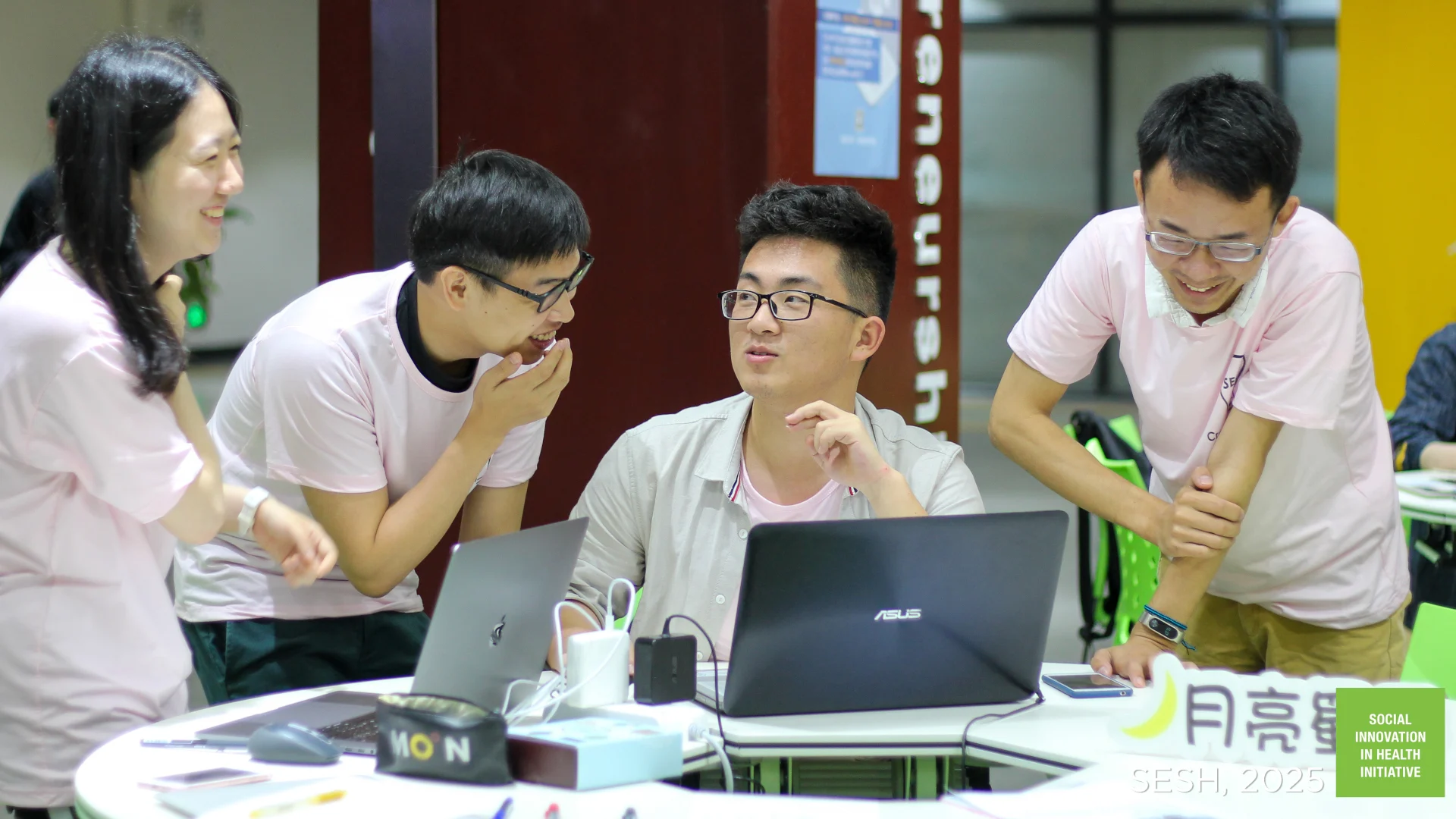
The “HIV Partner Services Designathon” was co-hosted by the SESH Project and the Guangdong Provincial Center for Disease Control and Prevention. The event aimed to utilize a designathon approach to bring together participants from diverse backgrounds to collaborate intensively over 48 hours. The goal was to develop an intervention package that promoted HIV-positive MSM (men who have sex with men) to notify their sexual partners, encouraging timely HIV testing. The intervention package developed during the designathon was subsequently evaluated in follow-up studies to assess its effectiveness in enhancing partner notification among MSM living with HIV.
The contest consisted of 8 teams, each tasked with developing a complete intervention package within an intensive three-day period. The final entries were evaluated by the judging panel based on established criteria, and the winning teams were selected.
'Gay Friendly' Doctor Hackathon
The Gay-Friendly Doctor Hackathon is one type of crowdsourcing that aims to exploit the wisdom of participants to develop an online platform-based tool for promoting healthcare utilization and health among gay men in China. The overall goal of the gay-friendly doctor hackathon contest is to reduce health inequalities for the gay population as well as to ensure everyone’s right to health.
The call for applicants for this contest was announced on January 3rd, 2019, and ended on February 14th. We received a total of 92 applications. Three members of the contest committee reviewed and scored all the applications, ultimately selecting 40 applicants for the next round. These 40 applicants were then grouped into 8 teams based on their merits and areas of expertise. All applicants were notified by email regarding their application status and team assignments by the end of February.
During the one-month period between the team announcement and the final hackathon contest, the teams sketched ideas, worked on designs, and conducted coding according to their own preferences and schedules.
During the 72-hour hackathon, each team further refined their work, with experts from various fields (psychology, public health, product management, information technology, and computer science) providing on-site guidance and feedback.
At the final stage of the contest, each team presented their work to the expert panel. The panel scored all the projects and selected the top projects based on the Evaluation Criteria.
HIV Pre-Exposure Prophylaxis Demo Project
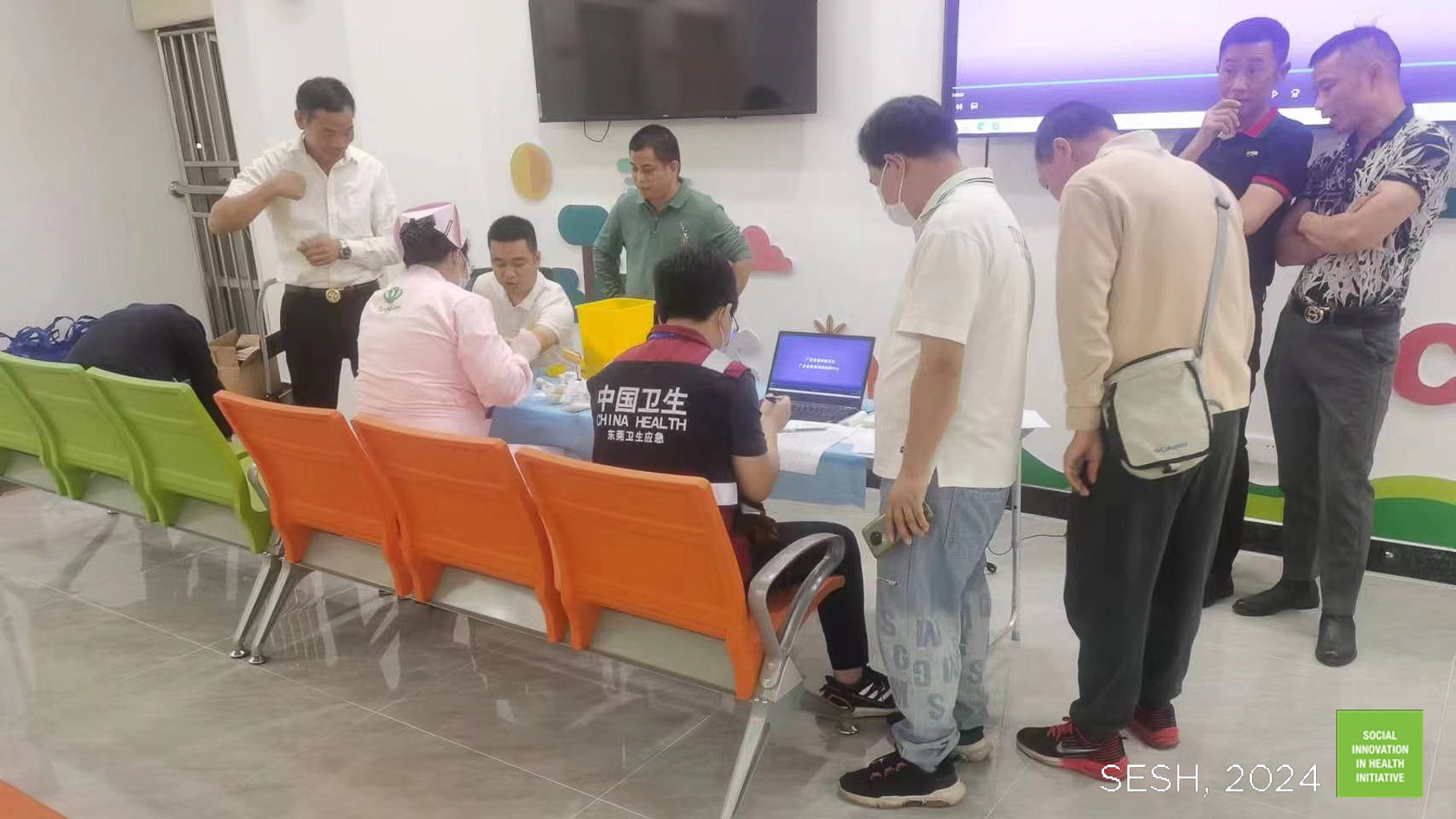
We collaborated with the University of Chicago, Gilead Sciences, Guangzhou Eighth People’s Hospital, and Wuhan Zhongnan Hospital, implemented 12 months of PrEP (Pre-exposure Prophylaxis) program providing PrEP access and medical follow-up services for key populations in Guangdong, Hubei, and surrounding regions. This project aimed to address health needs, support HIV prevention efforts, and enhance knowledge on PrEP initiation and persistence among at-risk youth in China. The final participant follow-up was completed on 30 September 2024. Project outcomes indicated that the effectiveness of PrEP was consistent with existing evidence on daily TDF/FTC. High persistence was observed, with 65.2% of participants continuing PrEP at 12 months, and adherence remained strong at 75%. Additionally, crowdsourcing and mobile messaging proved to be effective strategies for participant recruitment, engagement, and retention, though further refinement is needed. Read the publications.
Advocacy/Convening
- On October 24, 2025, we hosted a South–South Collaboration Co-creation Workshop focused on the topic: How can China collaborate with other LMIC countries in the realm of public health? 24 students from Southern Medical University participated in facilitated small-group discussions to identify key challenges and co-design collaborative project concepts.
- On November 29, 2025, the SESH PIONEER team held a co-creation workshop with men who have sex with men (MSM) in Guangzhou to design acceptable contribution models for a pay-it-forward STI testing program. 14 participants were selected from over 40 applicants to engage in facilitated small-group discussions generating ideas to improve program sustainability.
ABOUT US
JOSEPH D. TUCKER
Joseph (MD, PhD, AM) is a Professor of Medicine at the University of North Carolina at Chapel Hill, and Director of the UNC Project-China.
Read Biography
Joe is the study principal investigator on several United States National Institutes of Health R01 grants that evaluate crowdsourcing to enhance HIV services. He has implemented over 30 crowdsourcing challenge contests and has a special interest in collective intelligence and crowdsourcing. He has helped to organize crowdsourcing contests in China, Thailand, Vietnam, the United States, Australia, South Africa, and globally. He has led or co-led several WHO guides related to participatory health research.

WEIMING TANG
Weiming (MD, PhD) is an Associate Professor of Medicine at the University of North Carolina at Chapel Hill, and Co-Director of UNC Project-China.
Read Biography
Weiming currently leads one grant from the UNC Center for AIDS Research evaluating crowdsourcing approaches to HIV self-testing. He managed several large crowdsourcing projects in China and has a special interest in epidemiology and evaluation. He serves as Co-Director at UNC Project-China and mentors undergraduates, graduate students, and postdoctoral fellows interested in challenge contests.

Gifty Anyeley Dedei Marley
Read Biography
Gifty Marley (PhD) is an infectious diseases epidemiologist specializing in HIV/STI prevention, Social Innovation, and designathons. She is a postdoctoral research fellow with UNC-Project China in Guangzhou and also a fellow with the Social Innovation in Health Initiative (SIHI) China Hub.

Lan Li
Read Biography
Lan (PhD) is a postdoctoral research fellow with UNC Project-China in Guangzhou. She has a special interest in digital health, vaccine uptake, and human-centered design.

Progress Agboola
Read Biography
Progress Agboola is a medical doctor and global health professional with over six years of experience designing and implementing evidence-based health initiatives across diverse cultural settings. He has worked with local and international organizations to address health disparities and improve healthcare access for underserved populations in Africa. With a strong background in healthcare delivery and public health, Progress is committed to strengthening health systems through research, advocacy, and policy engagement.
Photo Gallery