University of the Philippines Diliman Psychosocial Services, UPD PsycServ
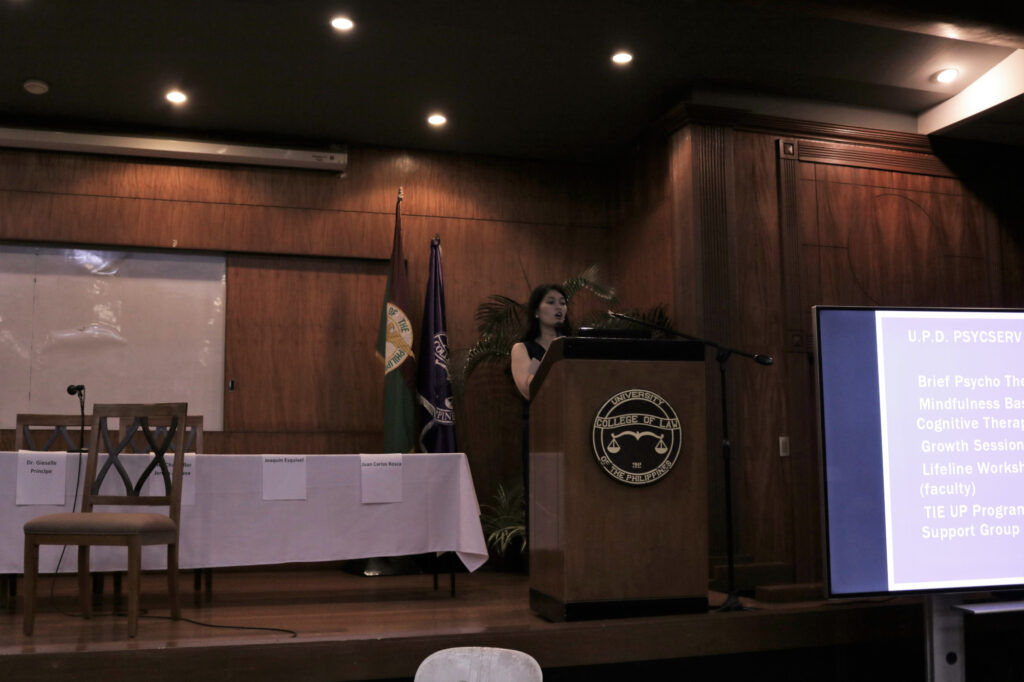
The University of the Philippines (UP) Diliman Psychosocial Services, or more commonly known as UPD PsycServ, is a pioneering in-house university mental health and wellness program that caters to the needs of both the employees and students of UP Diliman.
CONTINENT
Asia

COUNTRY
Philippines
Location
University of the Philippines Diliman Campus, Quezon City
Actors Involved
Students, UPD Faculty, Non-teaching UPD Staff, and external stakeholders
Website
www.facebook.com/updpsycserv
Founding year
2017
Organizational structure
University
Health Focus
Mental health
Programme Focus
Primary health care
Health System Focus
Primary Health Care, Service Delivery
CHALLENGE
Mental health and psychological services in the Philippines have garnered increased interest from health professionals and the public. On campus, a series of student suicides at the University of the Philippines Diliman (UPD) revealed gaps in existing guidance and counselling services. At that time, the university only covered guidance and counselling services for university staff and faculty. This office mostly focuses on career counselling and guidance, and issues of identity. Students experiencing symptoms of mental distress were often referred to external private psychologists for further evaluation, resulting in additional financial and logistical barriers, particularly for students from lower-income backgrounds. These limitations meant that students with mental health needs often faced fragmented and delayed care, leaving many without timely or adequate support. This gap in services highlighted the pressing need for an institutional system that could provide accessible, comprehensive mental health care within the university.
“We saw an increase in complex psychological problems of students that are being brought to us in our private clinics… I saw that the problems exceed the competencies of the guidance counselors.”
– KII2
INTERVENTION
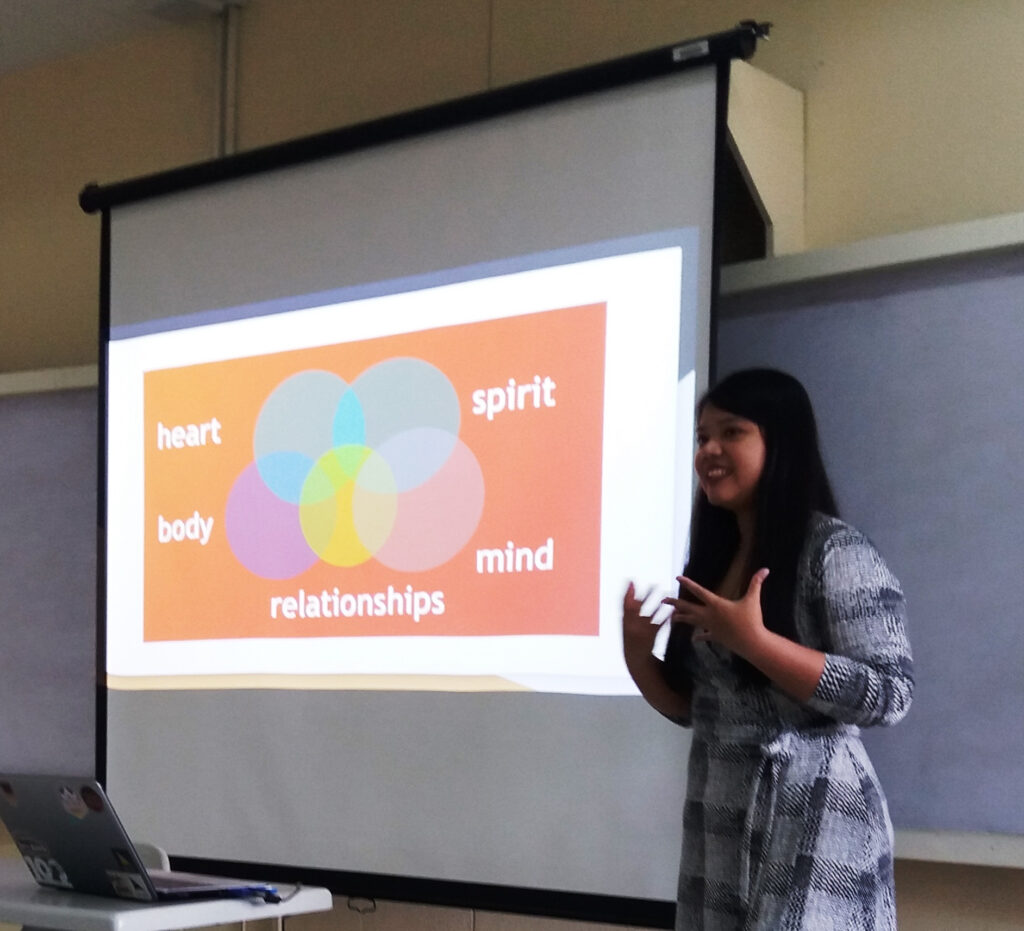
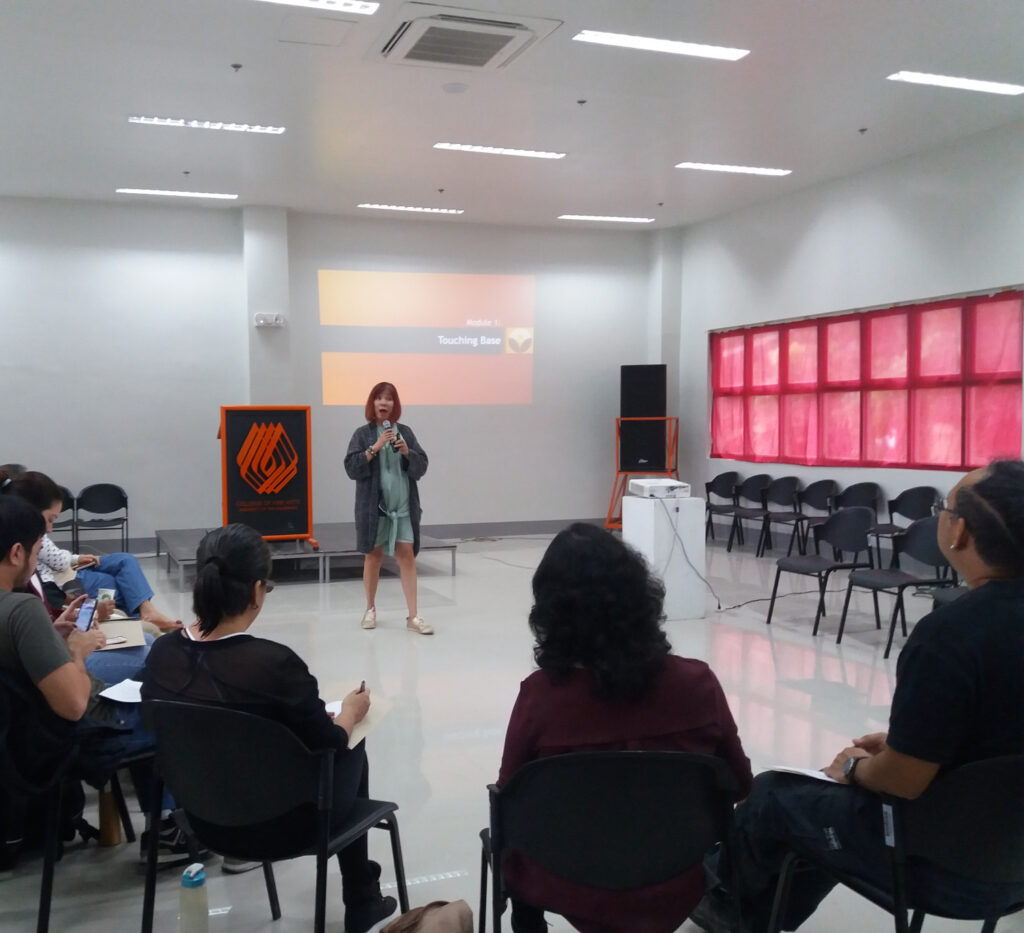
The University of the Philippines Diliman Psychosocial Services (UPD PsycServ) is the university’s initiative to foster mental well-being and address mental health issues within its community. UPD PsycServ follows the principles of the Ginhawa Framework. Ginhawa is a Filipino term meaning relief, mental health as a state of well-being and wholeness of self, rather than just an absence of mental illness. Aligned with this vision, UPD PsycServ integrates a cultural transformation approach throughout its interactions, by fostering sustained education, campus-wide advocacy, and a “pay-it-forward” ethic where previous service users are encouraged to contribute to community well-being initiatives.
“So to get things going, we worked with the Department of Health (DOH), shared our research, what we found that needs to be done. We drafted materials and incorporated their inputs, and the DOH opened doors for us. They took the lead and invited us to speak at their events. Eventually, the Disaster Risk Reduction and Management (DRRM) unit also adapted the guidelines.”
– KII2
IMPACT
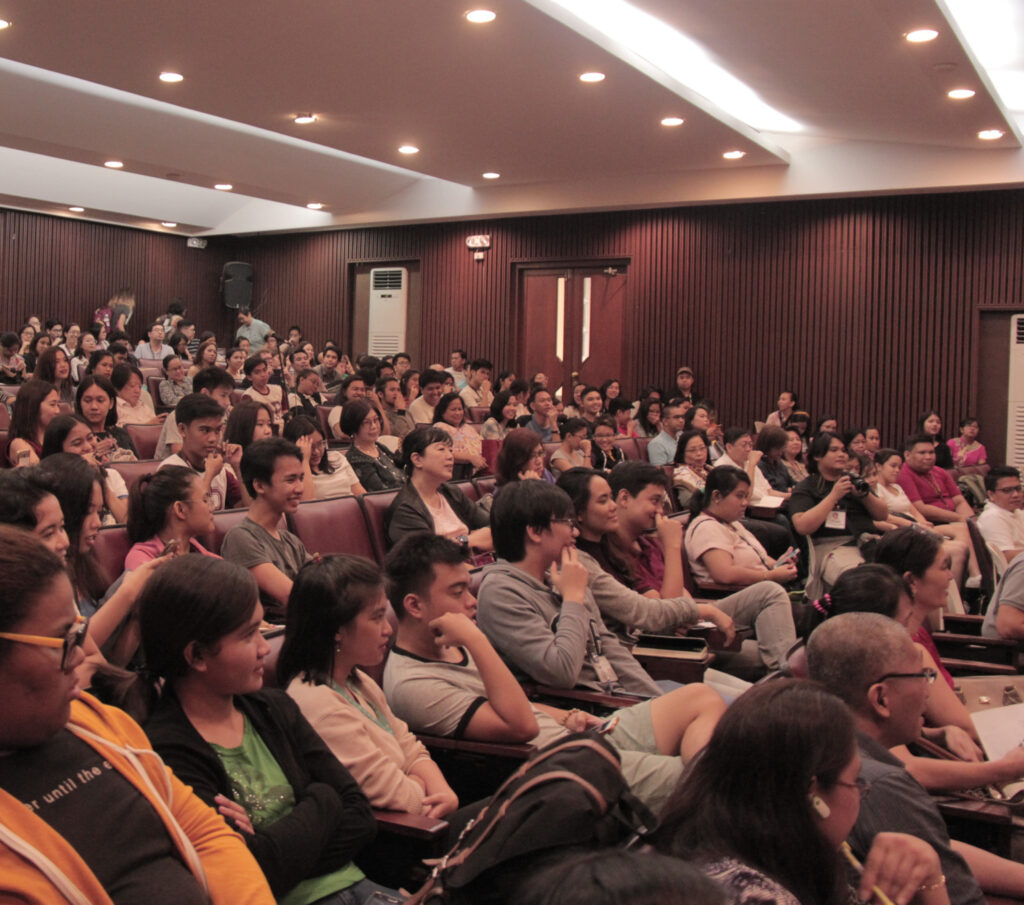
A defining feature of the programme’s approach is its use of data-driven insights to trigger cultural transformation within the university. Through regular needs assessments, student well-being surveys, and feedback sessions, UPD PsycServ brought to light pressing mental health concerns and institutional barriers previously obscure to campus leadership. These insights served as a gateway to promote structural reforms and proactive well-being initiatives across the university’s academic units. This participatory evidence-building model reshaped perceptions of mental health. Previously, limited awareness resulted in the absence of a mental health strategy; however, this initial engagement marked a clear cultural shift toward shared accountability and system-wide responsiveness.
CASE INSIGHTS
The UPD PsycServ experience offers important insights for policymakers seeking to strengthen institutional mental health systems, particularly within the context of public universities and similar resource-constrained environments. These insights demonstrate how cultural transformation, proactive engagement, and adaptable structures can be integrated into sustainable mental health programming.