Sole Hope—Ensuring Zero Jiggers
Sole Hope program was started in 2010 to address jiggers and foot-related diseases in the regions of Busoga, Buganda, and Bugisu in Uganda, by providing education, healthcare, and specially crafted shoes to the vulnerable and jigger-prone populations. The organisation’s intervention is delivered through a five-strand approach, including, community/school outreach clinics, the government hospital-based partner clinics, residential care and treatment at the Sole Hope Center (patient pick-up, patient admission, medical, caretaking, psychosocial support, education, and resettlement); shoe production at Sole Hope workshop, and economic empowerment through the self-help groups approach.
CONTINENT
Africa

COUNTRY
Uganda
Location
Busoga, Bugisu and Buganda regions in Uganda
Health Focus
Neglected Tropical Tungiasis/Jiggers
Website
https://www.solehope.org
Founding year
2010
Organizational structure
NGO
Health System Focus
Prevention and Treatment of Neglected Skin Tungiasis
CHALLENGES
Despite the presence of several international policy frameworks for tungiasis prevention and heightened potential risk in Uganda, the country lacks a clear policy about the treatment of jiggers. Aspects related to tungiasis prevention and treatment, including case identification and case management, are lacking, leaving the sick persons severely infected, disabled, disfigured, or debilitated, resulting in social exclusion, stigmatisation, and discrimination.
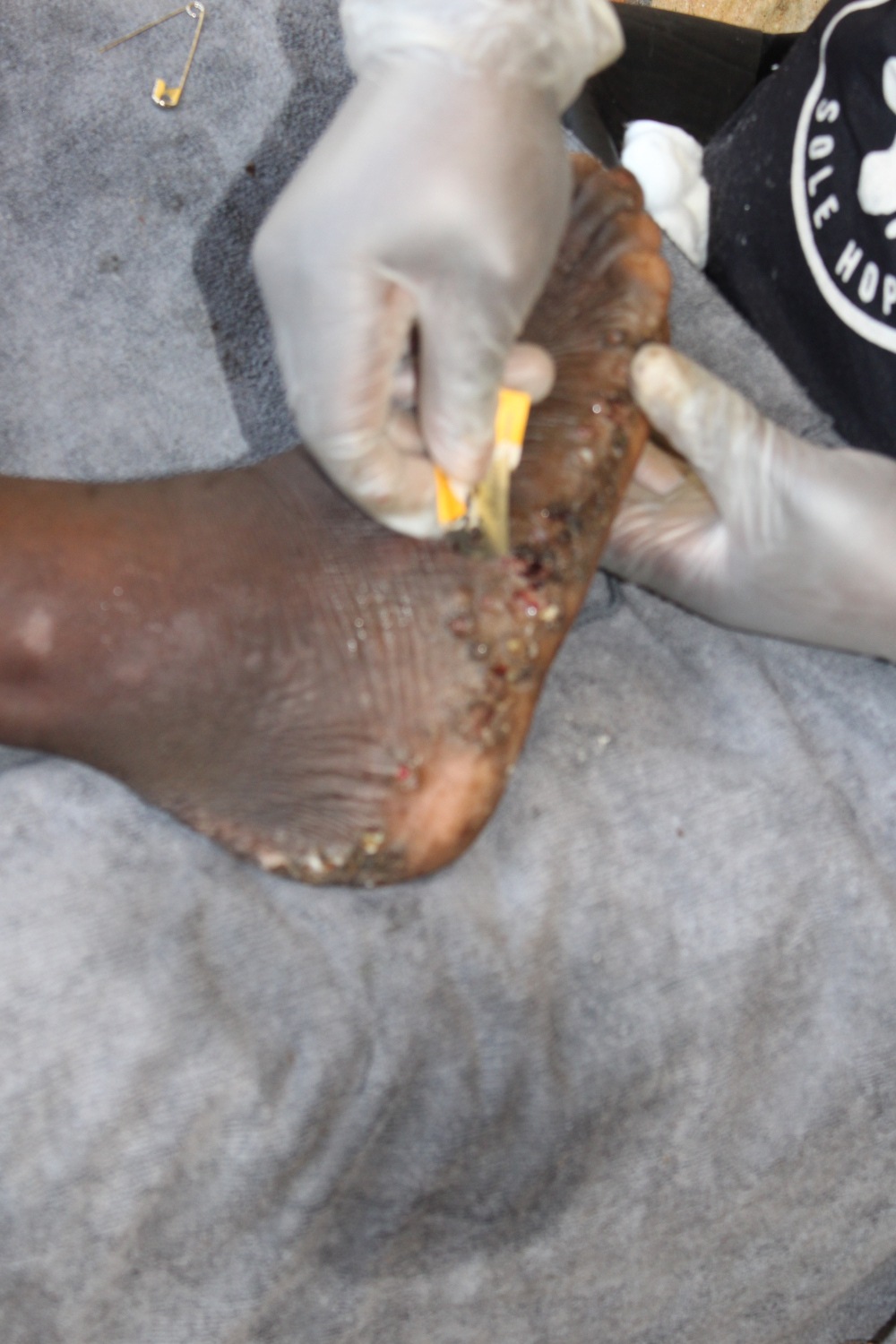
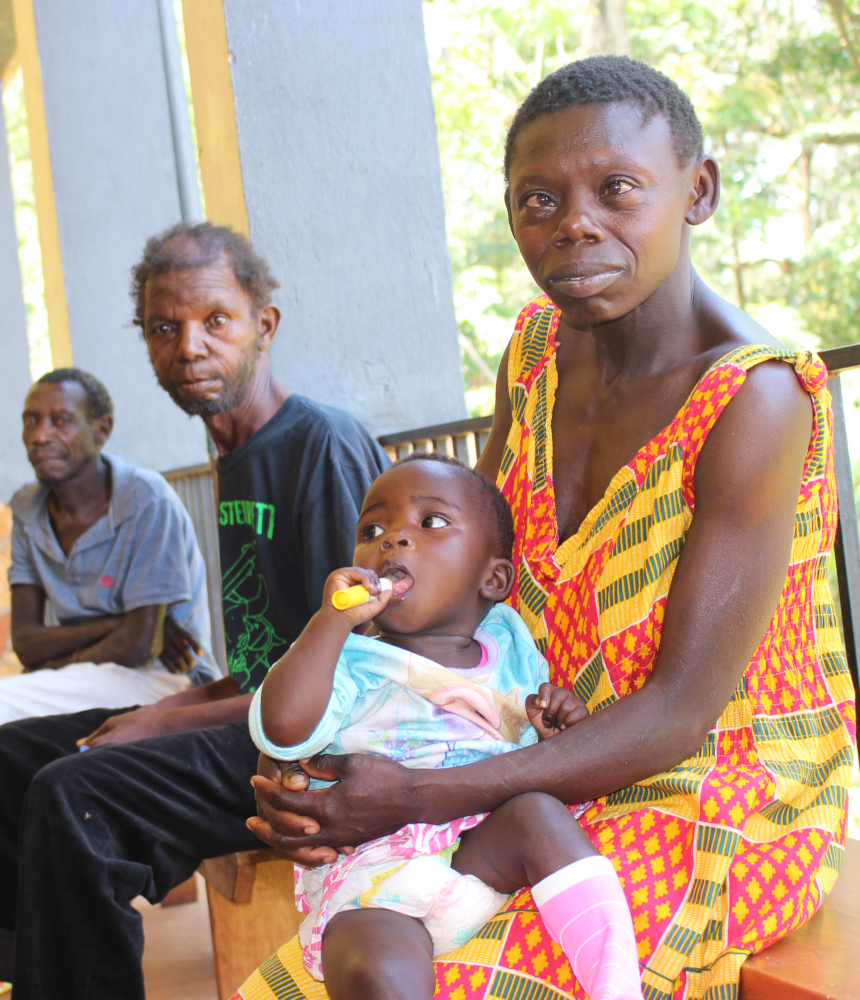
“Most of our patients are vulnerable individuals, small children including even babies, the elderly and people with mental health issues. When I started the initiative, the first case I received was Joy (not her true name). She had jiggers almost everywhere. When we took her to the health facility for management, the health worker told us that, ‘We don’t have health workers to treat her jiggers’. We had to find a feasible and cost-effective way to treat Joy, and we extracted over two hundred jiggers”
– Staff member
INTERVENTION
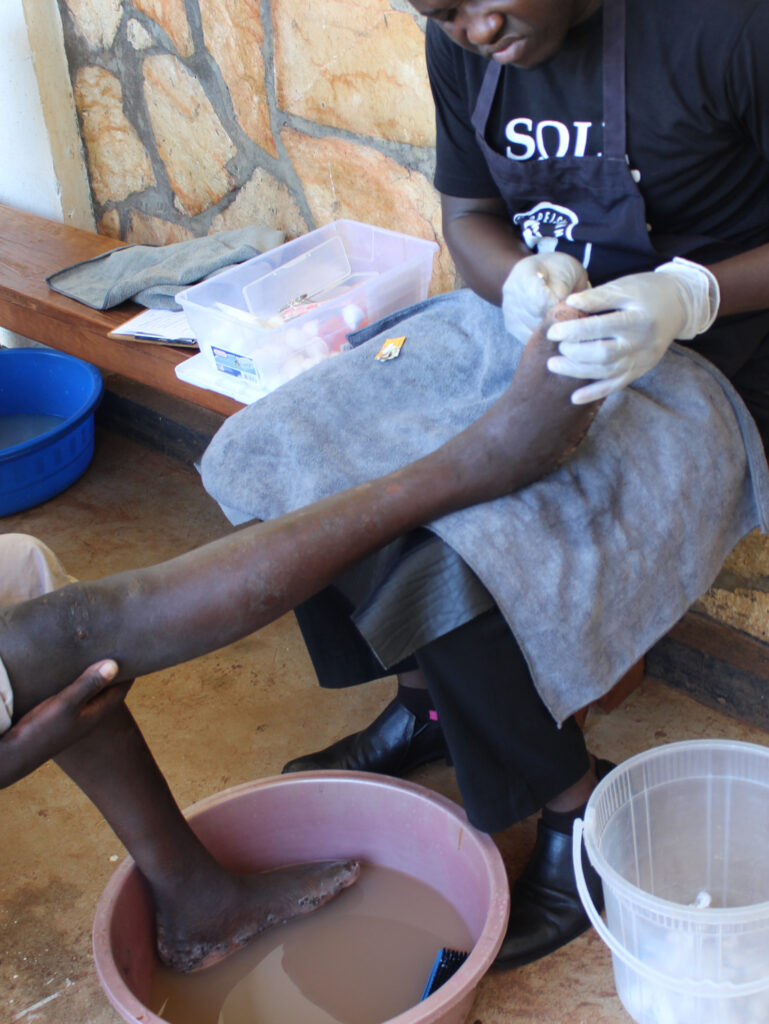
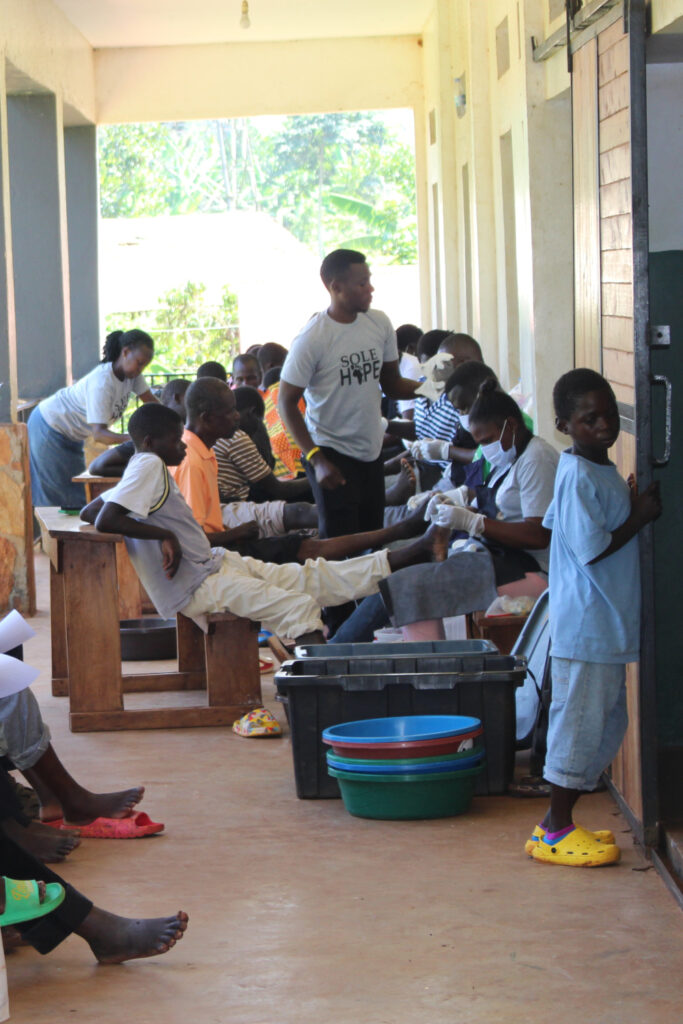
To address tungiasis, the intervention revolves around four pillars: Support, Treat, Empower, and Prevent (STEP). The program includes: Community Outreach Mobile Clinics in public spaces, Partner Clinics in the government health facilities, the Hope Centre, a specialised Residential Treatment Centre, and a shoe workshop that makes and distributes the shoes as a preventive measure.
“Sometimes new medical personnel are somehow hesitant to use the safety pins to extract the jiggers. This is because it is not a conventional method. It’s not typically something that you would see in a hospital setting. However, all of our medical personnel have confirmed that as long as you know how to use it, it’s being used properly, and it’s sterilised. There’s no difference with conventional stainless steel medical apparatus. Our medical personnel have adapted to the safety pins very well”
– Innovator
IMPACT
The organisation successfully partnered with local leaders, and medical professionals to provide essential services, including health education, jigger removal, and shoes fabricated from recycled car tyres and denim. The weekly and monthly clinics have been effective in extending the necessary care to vulnerable children and families. Several communities were empowered in terms of preventing the spread of jiggers, and other foot-related diseases. Considering the 2010–2024 period, the organisation provided health education to 219,004 people across its area of operation. The beneficiaries were followed-up after initial treatment, and only 20% got re-infested, suggesting that 80% were completely jigger-free, partly attributed to positive hygiene practices.
CASE INSIGHTS
The innovation provides insights into cost-effective and feasible interventions for management of jiggers which complements and adds value to One Health Joint Plan of Action- OH JPA (2022–2026) and other existing global and regional One Health and coordination initiatives aimed at strengthening capacity to address complex multidimensional health risks with more resilient health systems.