Progressive Health Partnership—Community-centred Approach for Improving the Quality of Healthcare in Uganda
Progressive Health Partnership conducts scientific, systems-based approaches to community health, running programs in areas ranging from maternal, neonatal health, water, sanitation, and hygiene to governance, civic engagement, and human rights. Progressive Health Partnership Through Community-Centered Development opened new pathways at the grassroots to address widespread accountability gaps in health service provision. Using a culturally sensitive group support psychotherapeutic (GSP) intervention as first-line treatment for depression among people living with HIV/AIDS in Uganda.
CONTINENT
Africa

COUNTRY
Uganda
Continent
Africa
Country
Uganda
Founding year
2013
Organizational structure
NGO
Health focus
Governance, accountability, & quality of healthcare services
Programme Focus
Health service provision
Health System Focus
Governance and accountability in the health sector
Actors Involved
PHP staff, Local Government III leaders, local government service providers, citizens
CHALLENGES
Local Government III political heads are mandated to monitor and supervise the provision of health services in the areas of their jurisdiction to curtail vices such as health worker absenteeism and diversion of supplies/medication/inventory. However, the ability of the Local Council III (LC3) political leaders to fulfill their supervisory and monitoring mandate is curtailed by their limited knowledge and skills to expedite the same mandate, compromising the quality of health services in the Health Center IIIs.
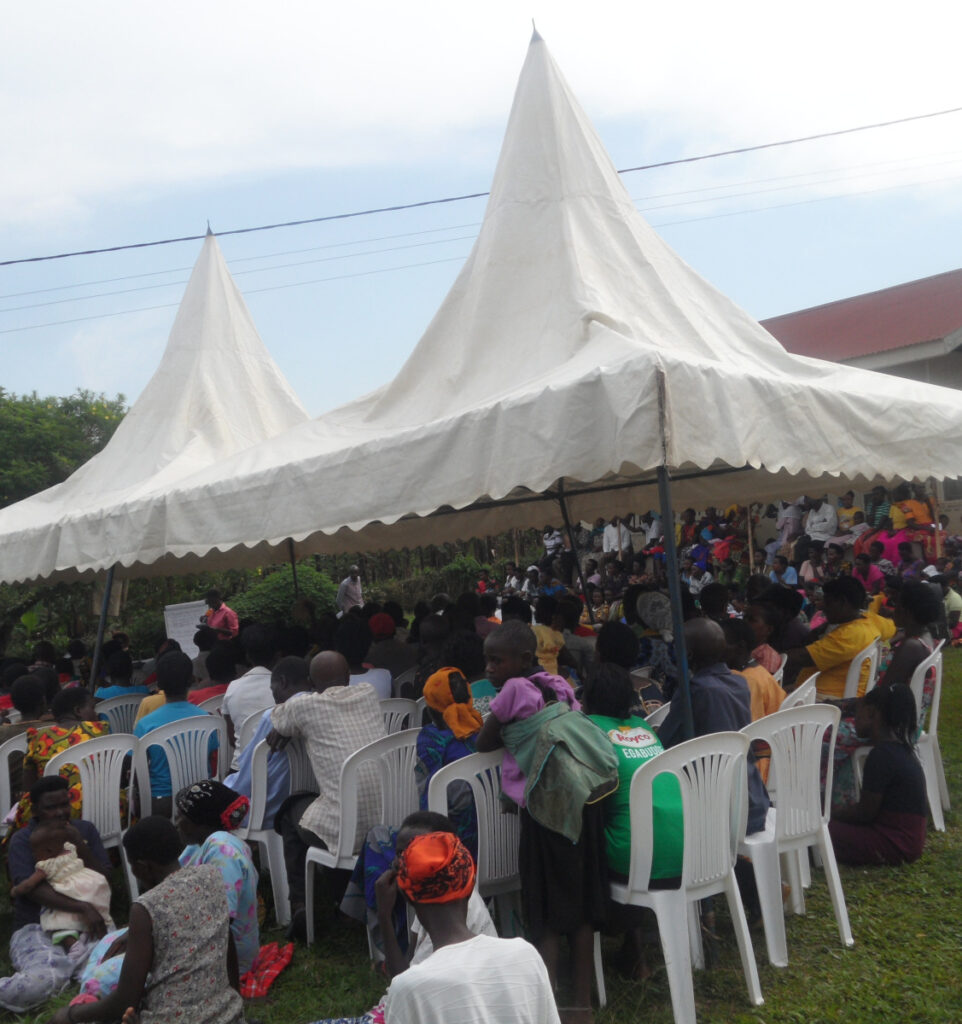
Before the training, I used to spend like two weeks without monitoring the facility. Even when I used to monitor, I was not targeting anything. I used to go there as if I was moving around but not doing the actual monitoring… So, you are a leader but you don’t even know your roles and responsibilities.
– Political Leader-Trainee
INTERVENTION
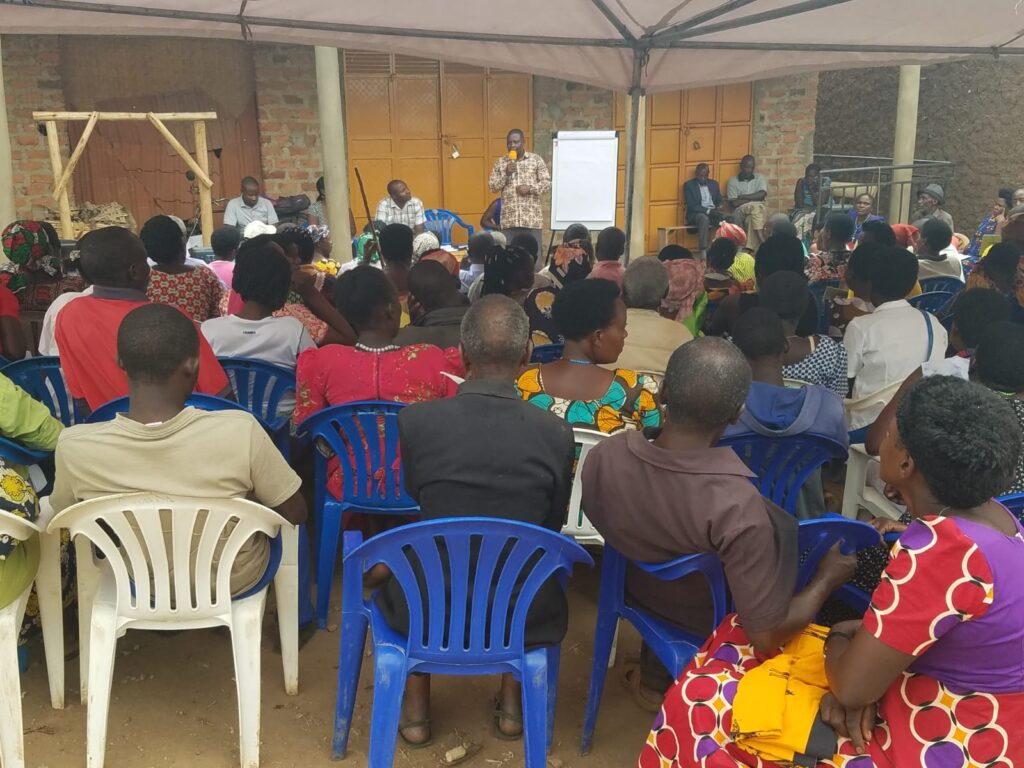
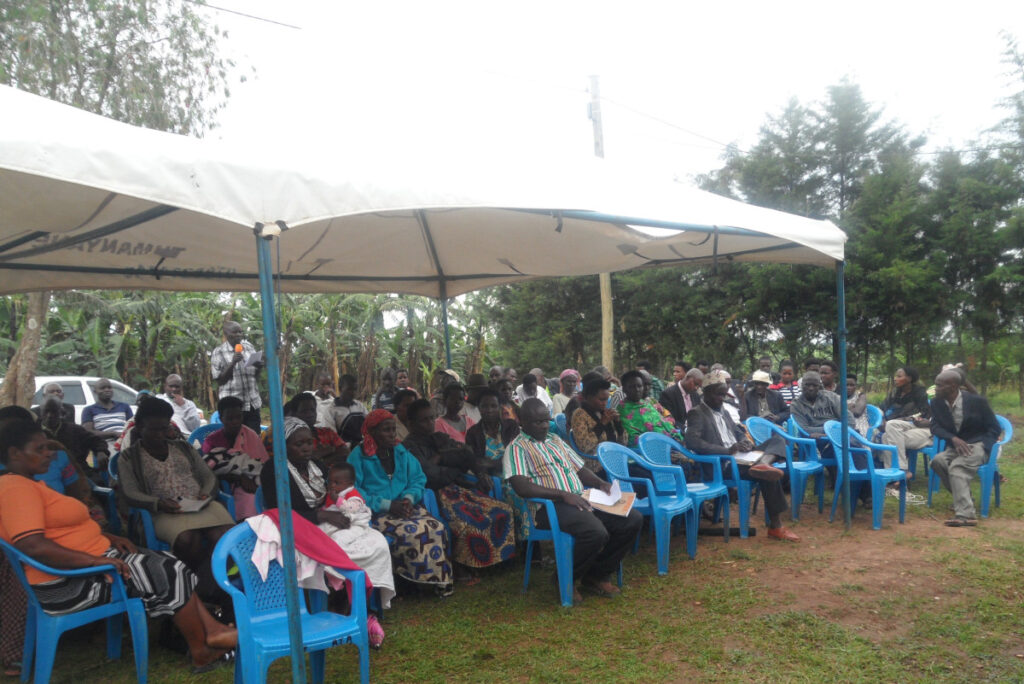
During the citizen-Local Council 3 (LC3) chairpersons’ accountability meetings, community members are inducted and get an opportunity to interact with their LC3 political heads regarding aspects of health services provision. During these sessions, the innovation enlightens community members about their rights as patients, the services available, and the quality of services they should expect to receive. These engagements improved the performance of the health centers, the engagement between LC3 chairpersons and health workers, and ultimately changed the behavior of both the LC3 chairpersons and health workers towards service delivery within their areas of jurisdiction.
Our activities are guided by standardised protocols. This enables us to ensure that all the groups receive the same intended intervention. It also enables us to uphold standard operating procedures during our operations.
– Employee
IMPACT
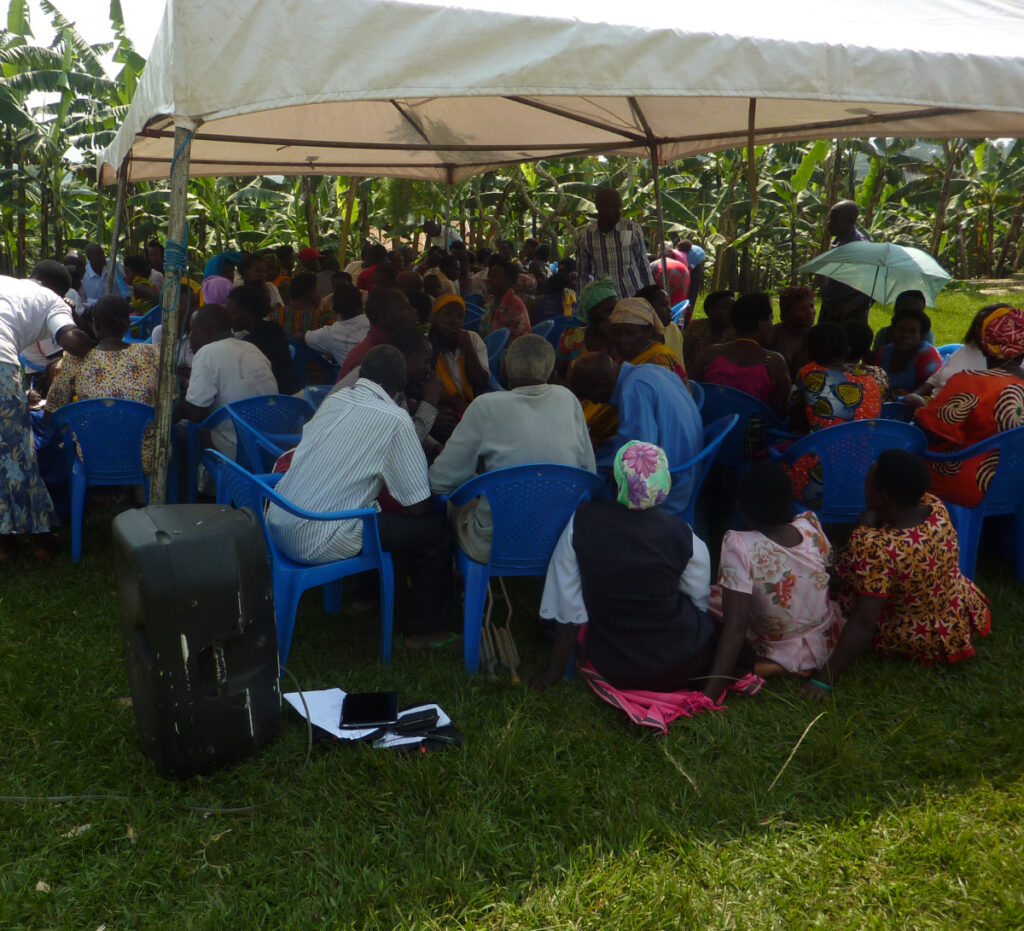
The innovation enhanced the monitoring skills of LC3 leaders by training them on their mandate and providing them with the skills on how to fulfill the mandate. By law, the political leaders are mandated to monitor health services to ensure quality. However, the political leaders lack the skills to fulfill their mandate, including ignorance on the scope and breadth of their mandate. The innovation provided induction to approximately 80% of the political leaders on what is expected of them in terms of monitoring health services.
CASE INSIGHTS
- The governance and accountability component for health care improvement is an important but neglected area of health system research and management. Hence, this innovation should be replicated at higher-level local government units to enhance their monitoring function as well.
- Innovations for engaging political leaders and community members should integrate a contingency plan in case of resistance from the stakeholders.
- Interventions for sensitising the community members about health issues attract more members when integrated with other departments like the community development department.
- In conducting sensitisation meetings, pre-meeting/community preparation visits are essential to better understand cultural beliefs within a certain area.