My Pregnancy Handbook
The handbook provides authentic, user-friendly, and trusted health information and education concerning pregnancy to mothers and the general public.
CONTINENT
Africa
COUNTRY
Uganda
Continent
Africa
Country
Uganda
Founding year
2018
Organizational structure
For profit
Health focus
Maternal and Child Health, Pregnancy
Programme Focus
Service Delivery, Health Promotion by Health Education
Health System Focus
Information, Health Promotion
CHALLENGES
Over the previous decades, there has been a significant reduction in maternal mortality from 506 per 100,000 live births in 1995 to 360 per 100,000 live births in 2013 in Uganda. Despite this progress, Uganda failed to achieve the Millennium Development Goal target of 131 maternal deaths per 100,000 live births by 2015. Currently it is estimated that about 336 maternal deaths per 100,000 live births occur in Uganda, which is still high (UBOS and ICF, 2018). Also, according to Kabakyenga et al. (2011), almost half of the women were not aware of any danger signs during pregnancy. Women reporting late for the first antenatal care (ANC) indicated they were neither informed on when to start nor about its importance. This shows a gap in provision of health education to mothers.
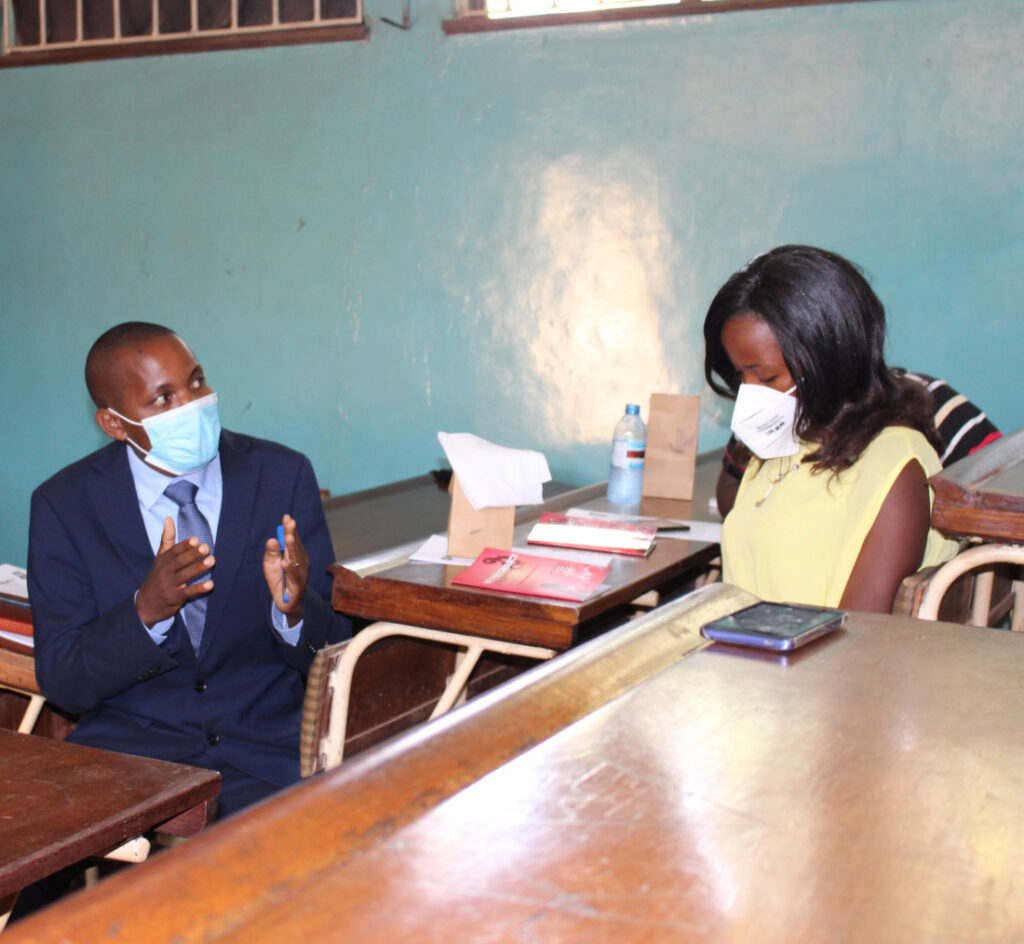
…as a nursing student doing my rotations at Kawempe national referral hospital where we go for our midwifery rotations, I realised mothers were not getting the basic information they deserved to get per WHO guidelines…
– Martin Lubega, author of My Pregnancy Handbook
INTERVENTION
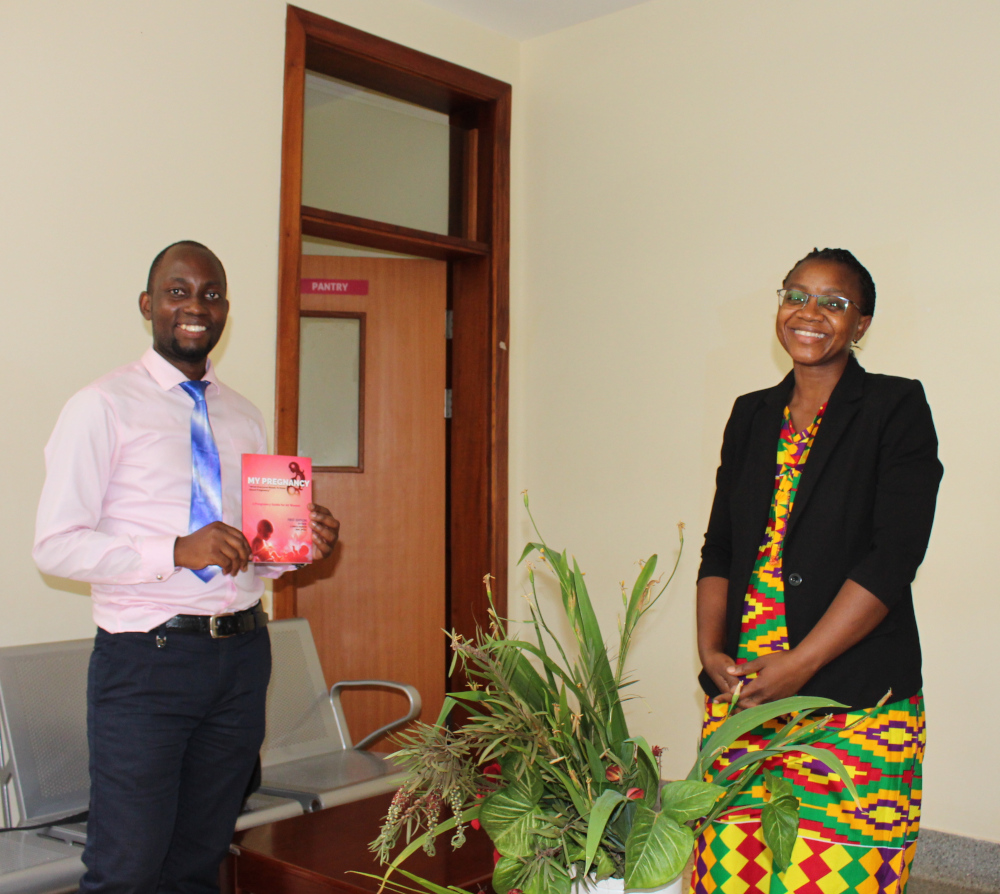
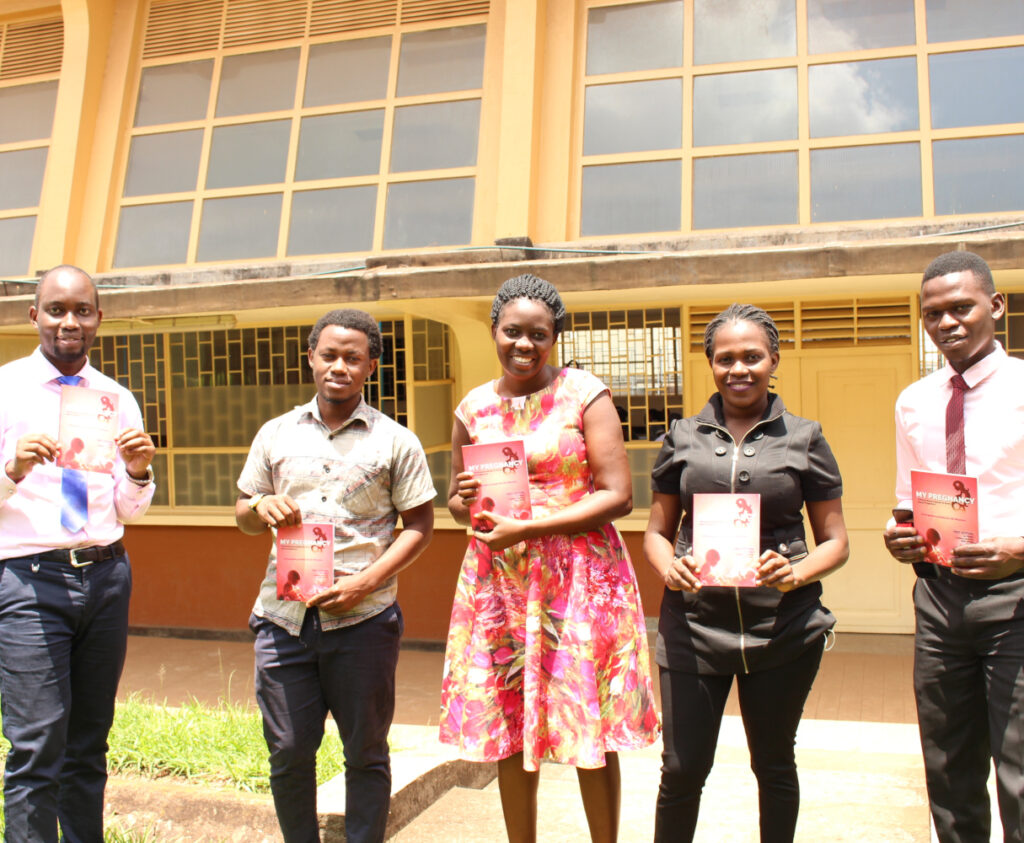
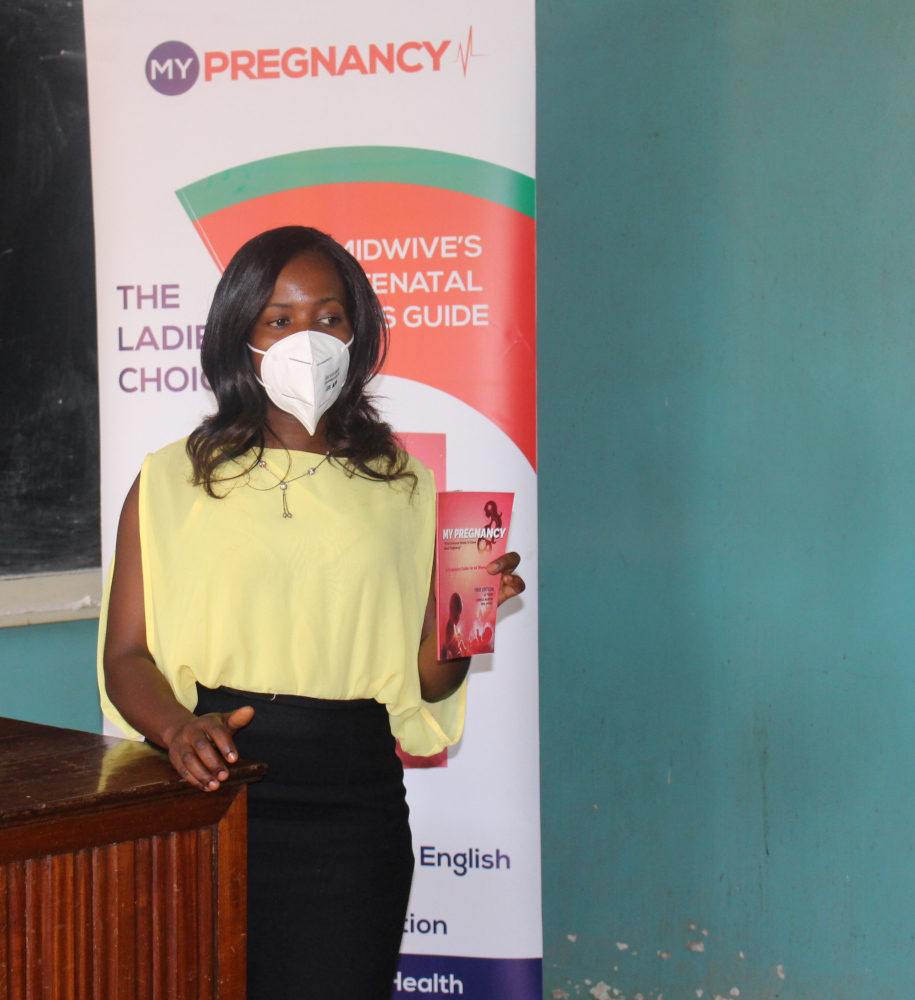
My Pregnancy Handbook is a short handbook prepared to deliver authentic and basic health information concerning pregnancy to pregnant women, midwives, and the general population. The book covers preconception care as a key step to pregnancy preparedness, pregnancy and antenatal care (ANC), danger signs in pregnancy, and labour preparation. The information is adequate for mothers to learn about their pregnancy. The book is well structured to suit the demands of midwives preparing ANC classes and it is sometimes used as a teaching tool for these classes.
When I read through it, I found it was really a detailed one which covered all the minor illnesses in pregnancy plus all the disorders during pregnancy. The mothers are happy as I have already told you before that the content which is there, is enough for me as a midwife and for the clients.
– Midwife, Mulago Specialized Women’s and Neonatal Hospital
IMPACT
The book has covered a big gap that has for long existed in patient health education especially in the area of antenatal care which is very crucial towards safe motherhood. With over 300 copies in circulation since the project inception, mothers can ably access authentic health information concerning pregnancy at the comfort of their homes. This has helped many to make correct decisions on what to do and what not to do during pregnancy. The project has also emphasised the importance of mothers attending antenatal care and seeking advice from medical professionals.
Midwives are also using the handbook as an antenatal class guide since it contains almost all that is needed to guide the midwife – mother interaction.
CASE INSIGHTS
- Enhance maternal education
Providing accessible, non-medical health information helps fill knowledge gaps and improve maternal health outcomes. Policymakers should support similar educational resources for pregnant women. - Support collaborative partnerships
Partnerships with local stakeholders are essential for improving the distribution, awareness, and accessibility of maternal health resources. - Adapt health materials to local contexts
Health education materials should be culturally tailored and available in diverse formats, such as videos and community sessions, to effectively reach different populations.