Kalinga Health, Philippines
A 360-degree facility providing quality, affordable and comprehensive TB care. It
acts as an intermediary agency between the public and private sector partners, ensuring continuity of care for patients.
CONTINENT
Asia
COUNTRY
Philippines
Location
City of Marikina and Mandaluyong
Actors Involved
Local Government Unit, Department of Health
Website
innovationsch.org/kalinga-health/
Founding year
2019
Organizational structure
Nongovernmental organization
Health Focus
Tuberculosis
Programme Focus
Access to Healthcare, Service Delivery, Quality Healthcare
Health System Focus
Service Delivery
CHALLENGE
The Philippines has one of the highest per capita burden of tuberculosis (TB) in the world, with 500 people affected per 100,000. It was one of the five high-burden TB countries which had major shortfall notifications in 2020 and 2021, along with India, Indonesia, China, and Myanmar. In 2021, there were estimated to be 591,000 TB cases in the Philippines, but only 46% of these cases were reported, reflecting a 37% drop in the number of notifications compared to the previous year. Apart from challenges in TB notification, the increasing number of drug-resistant TB cases, low case detection, poor treatment outcomes, and minimal coverage of TB preventive treatment persist. Despite these setbacks, the country is determined to achieve their goals and targets by following through with the Philippine Strategic Elimination Plan (PhilSTEP), through strengthening coordination and intersectoral collaboration in order to maximize resources and efforts in reducing the burden of TB in the country. It is also important to recognize that apart from improving screening, detection, and treatment, a grassroots approach which offers social protection for the vulnerable populations must also be adopted.
“We connect the two ends, trying to share resources, trying to make sure that there’s quality assurance, trying to make sure that there’s mutual trust, because that’s one problem that we have with the public sector and the private sector. They traditionally distrust each other, at least in the Philippines. And then in many LMICs, the public sector thinks that the private sector is always for profit, they will milk customers in the name of money. The other end of the fence, the private sector thinks, the government, they don’t know anything better. But having an NGO in the middle, in this case Kalinga Health, somehow creates that layer of trust, quality assurance, transfer of resources, among others.”
– Founder and CEO, ICH Kalinga Health
INTERVENTION
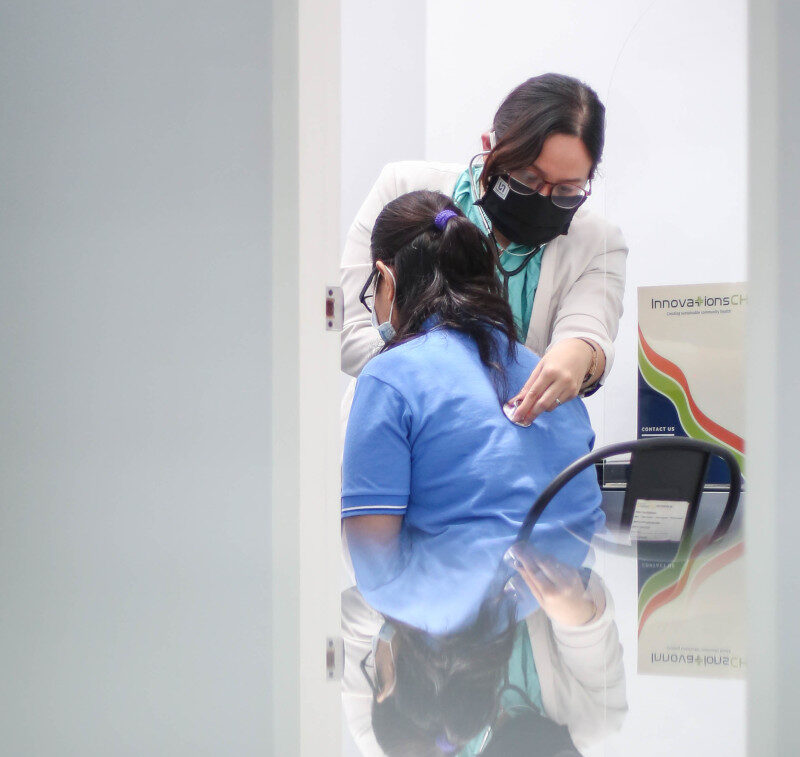
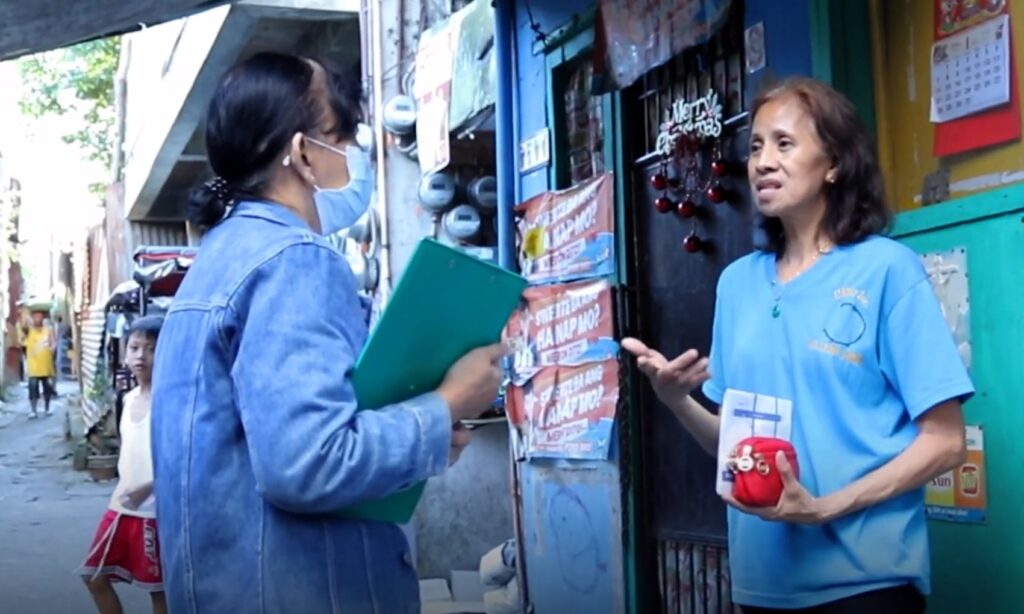
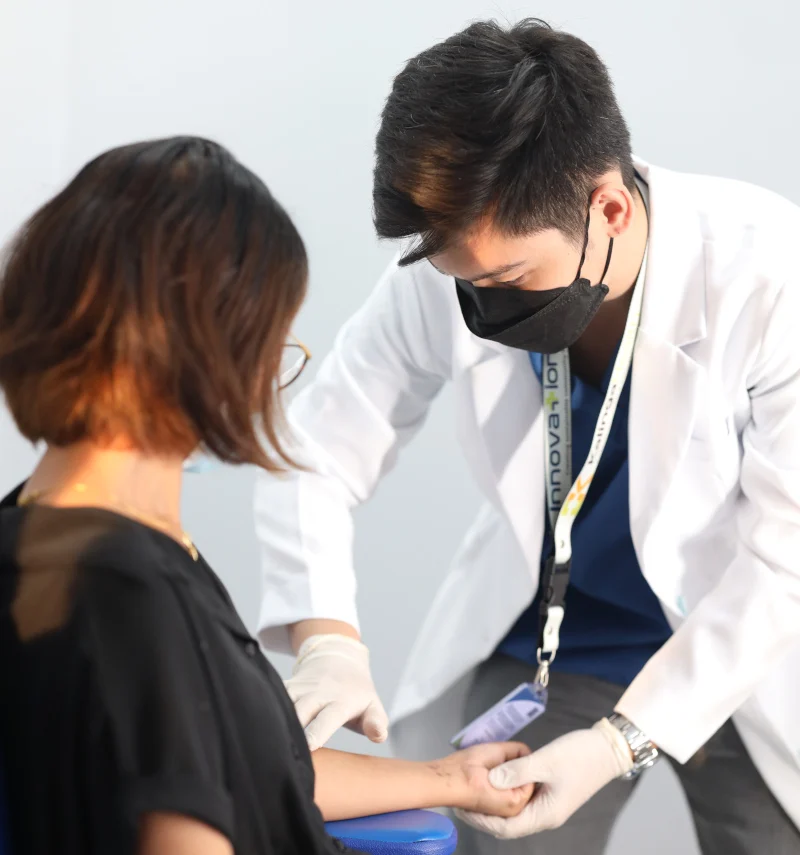
Kalinga Health, established by the Innovations for Community Health (ICH) and developed through a thorough examination of the pain points of both TB patients and their private providers, is a 360-degree TB DOTS-accredited and PhilHealth-accredited facility that offers consultation, diagnostics, treatment, case-holding, and follow-up for tuberculosis (TB) patients. Kalinga Health acts as the hub and a network of private providers refer patients through a variety of public-private mix strategies. These private providers or stand-alone physicians have partnered with ICH and have access to Kalinga Health’s diagnostics and treatment services. The most essential feature of the innovation is that the Kalinga Health Hub acts as an intermediary facility between the public National TB Control Program and the network of private providers. The hub also engages community volunteers they call K! Leaders to encourage community members to seek help in the facility and cascade relevant health teachings to increase community awareness.
“We really do house to house [visits]. When taking someone’s blood pressure reading, we also ask if they have symptoms of TB or know anyone who might be affected. We were also vigilant and observant so we can easily identify if someone presents with symptoms and may have the disease. Usually, there are a lot of people who cannot accept that they have tuberculosis. They are ashamed. During some of our blood pressure rounds, we would notice that the individual is coughing and we think it might be TB. You will really learn to build rapport so they will be receptive to the information you are providing and they will freely share their health situation with you.”
– K! Leader, Marikina City
IMPACT
Kalinga Health provides affordable and high-quality care to thousands of referrals from the public-private mix network. Patients come from different socioeconomic tiers, including indigent patients and the beneficiaries of a government program that provides conditional cash grants to the poorest of the poor. In 2019, the increase in case notification in the private sector in Marikina City was 13.24%. During this time, cases in the private sector increased by 147% (from 123 to 304), of which Kalinga Health registered 68.09% (207 out of 304). During the first quarter of 2020, Kalinga Health remained the top contributor in the private sector when it recorded 83.33% (100 out of 120) cases in that quarter.
From April 2019 to February 2023, Kalinga Health has initiated treatment for 1,610 individuals, has prevented 16,100 individuals from contracting TB, assuming that 1 untreated TB patient can infect 10 more individuals, and has saved Php 6,440,000, assuming that the total cost of TB treatment is equal to the total PhilHealth case rate for an outpatient TB case amounting to Php 4,000.

CASE INSIGHTS
Connecting the private and public sectors is the key to implementing an integrated, community-based social innovation that is responsive to the needs of the community it seeks to serve. This should also be integrated with other activities that support primary health-care services, such as those targeting HIV infection, maternal and child health, and noncommunicable diseases. Engaging and mobilizing community leaders are crucial to establish a lasting relationship built on trust and authenticity. This will promote effective communication and participation among community members to generate demand for TB prevention, diagnosis, treatment and care services.