Ishaka Health Plan Community-based Health Insurance Scheme
The scheme facilitates access to quality and affordable health services among rural communities in Bushenyi District, Uganda.
CONTINENT
Africa
COUNTRY
Uganda
Continent
Africa
Country
Uganda
Website
www.ishakahealthplan.com
Founding year
1999
Organizational structure
Non-government organization
Health focus
Primary Healthcare, Health Financing
Programme Focus
Community Health Insurance
Health System Focus
Health Financing
CHALLENGES
Despite implementation of health reforms for improved access and affordability of health services in Uganda, out-of-pocket payment has remained high (estimated at 50%). Additionally, about 30% of the patients suffer catastrophic health expenditure of more than 10% of their estimated annual expenses and over 70% of these sell property or borrow money to pay for health services. This undermines the efforts towards Universal Health Coverage.
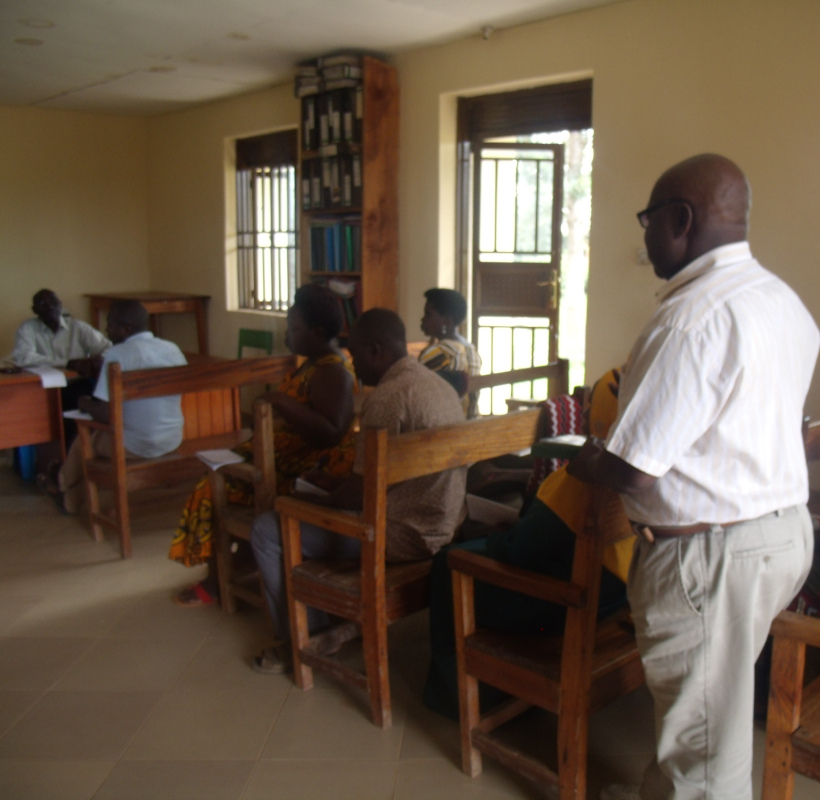
Before I joined [the] health plan, I would fall sick and keep quiet, fearing to tell my husband because I well knew that there [was] no money at home… I had a problem with two pregnancies, I was almost dying of them in the village because I didn’t have money to access treatment from the hospital.
– IHP Beneficiary, female
INTERVENTION
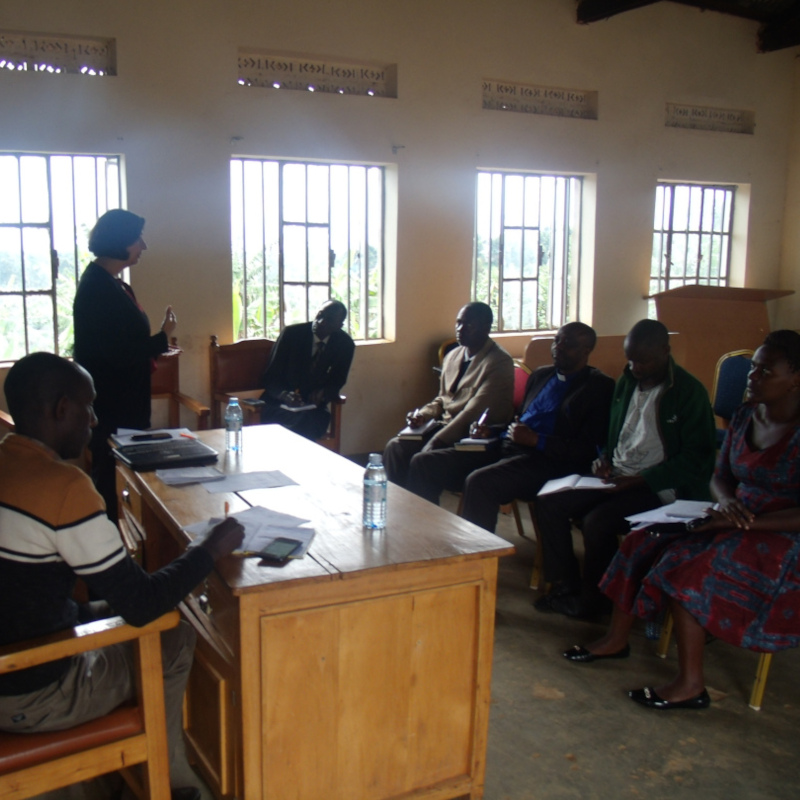
Utilising design thinking, the scheme links participation in the health plan to a community-identified need, such as strengthening income-generating activities for household financial liquidity. Recognising that healthcare is typically an emergency priority in the Ugandan context, this approach makes CBHI participation a functional tool for holistic well-being rather than just a reactive insurance product. This model is sustained by a broad collaborative network that Mr. Kakunta (the founder) built, encompassing local politicians, faith-based organisations, and international academic partners. His long-term commitment is further evidenced by his continued voluntary mentorship of staff since 2012, ensuring the principles of volunteerism and community ownership remain at the core of IHP’s operations.
I fell sick with my child and at that time my husband was in the field/garden. We could [not] wait to tell him, so we rushed to the hospital because I knew the health plan would cater for the bills. We were admitted for two weeks and both my child and I paid 6,000 shillings only each. The health plan has helped me not to beg my husband to sell our piece of land to cater for our medical bills.
– IHP Beneficiary, female
IMPACT
Overall, data show an increase in the total number of patients/beneficiaries accessing health services from 3,909 in 2017 to 4,257 in 2019. Statistics from 2017 to 2019 showed a 15.4% increase in the number of IHP members treated for malaria (377 to 435), 43.9% increase among those accessing HIV/AIDS services (57 to 82), and 55.6% increase among those receiving cancer treatment services (27 to 42). The number of people who received surgery services increased from 30 in 2017 to 41 in 2019, indicating a 36.7% increase. Accident victims were also able to receive treatment, 4 in 2017, 11 in 2018, and 5 in 2019.
CASE INSIGHTS
The experience of the Ishaka Health Plan (IHP) offers actionable insights for policymakers seeking to scale and sustain community-based health insurance (CBHI) initiatives across Uganda and other similar low-resource settings. The IHP case demonstrates a pathway for ensuring the continuity of access to affordable healthcare following the withdrawal of donor support. Its adoption of a holistic approach highlights the need to address both the supply (healthcare provision) and demand (affordability) sides of health financing. The scheme integrated agricultural activities into its operations. This is crucial in rural settings where household income is variable and often linked to farming. IHP’s experience demonstrates that trust and credibility are the strongest defenses against market competition and community confusion. When facing challenges from competing schemes, IHP focused on deepening engagement and empowering its members.