Holistic Water Systems for Pumping Water Uphill, Philippines
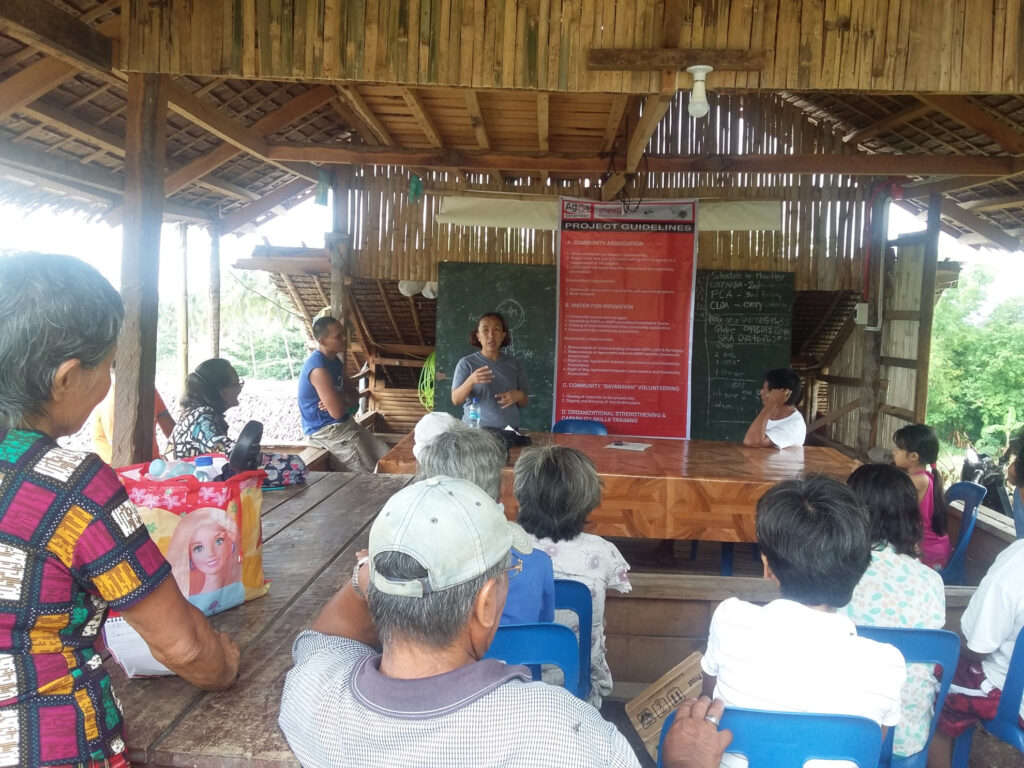
The Holistic Water Systems for Pumping Water Uphill, also known as the AIDFI ram pump program, features a hydraulic ram pump model that pumps water uphill to remote upland communities, helping improve the lives of rural villagers in terms of health, nutrition, and sanitation. AIDFI’s approach of involving communities in the installation, maintenance, and management of ram pumps has empowered upland villagers with valuable skills, making them more self-reliant in ensuring the functionality of their water supply systems.
CONTINENT
Asia

COUNTRY
Philippines
Location
Bacolod City, Negros Occidental
Actors Involved
Founders, the community, funders and donors
Website
https://www.aidfi.org/
Founding year
1992
Organizational structure
Non-governmental organization
Health Focus
Neglected tropical Diseases, Water and sanitation
Programme Focus
Access to quality water, community mobilisation
Health System Focus
Access to quality water, community mobilisation
CHALLENGE
Thousands of villages in the Philippines do not have access to safe, potable water as they are topographically situated above existing water sources. Limited and unsafe water resources result in numerous health issues, including waterborne diseases such as diarrhea, amoebiasis, cholera, typhus, and schistosomiasis. These infections are caused by a number of viral, bacterial, and parasitic organisms in communities where there is inadequate sanitation, hygiene, and a lack of safe water for drinking, cooking, and cleaning. Without intervention, waterborne diseases can lead to impaired immune function and chronic diseases. Moreover, the social costs of WASH-related diseases include decreased wages or livelihood opportunities and productivity loss.
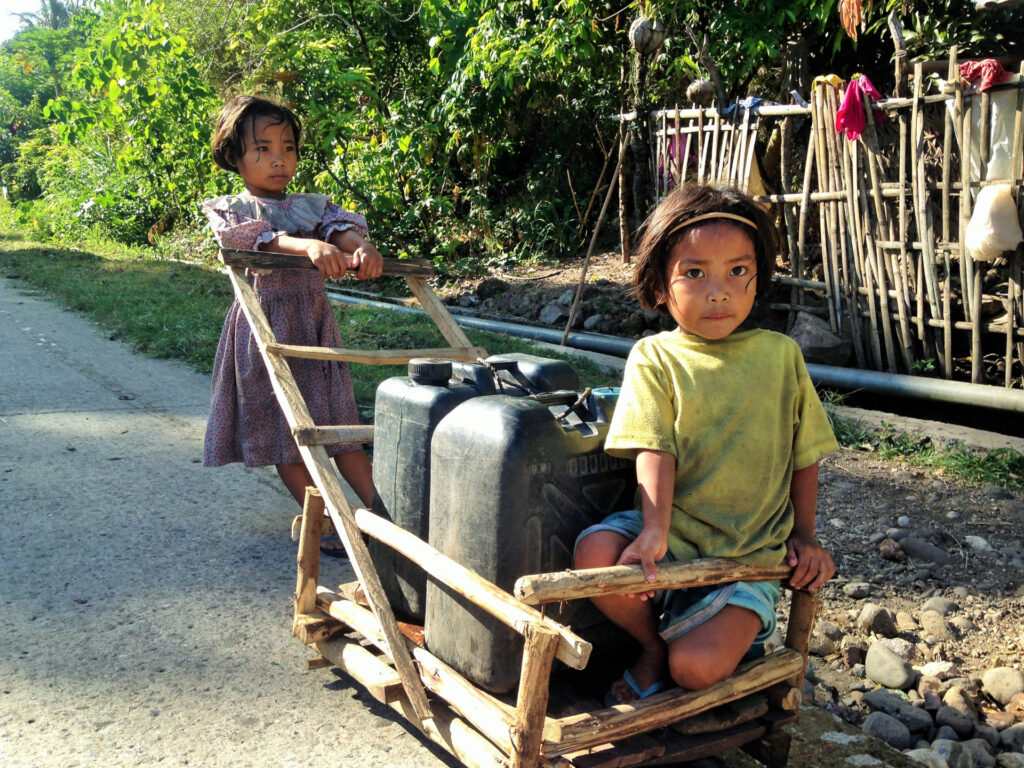
“We had no [comfort room] before, because we had no water to use to flush the toilet.”
– End User and Community Member from Sitio Ananggue
“[Previously], because [the water source] is far, we needed to schedule our baths…”
– End User and Community Member from Barangay Cabagnaan
INTERVENTION
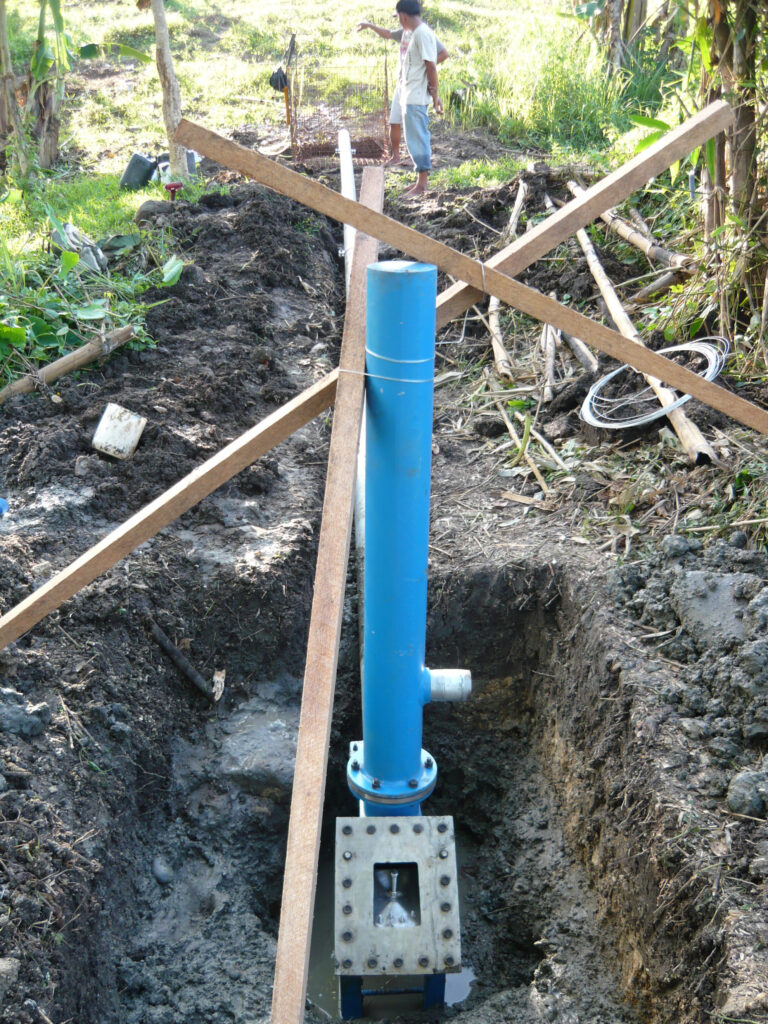
The AIDFI ram pump program is the organisation’s flagship program that features a combination of technical and organisational interventions to ensure that water is delivered to upland communities without the use of fuel or electricity.
The social innovators of AIDFI are fully aware that the lack of water in upland communities makes people disadvantaged in multiple ways. It was thus very intentional to design a holistic approach, which they do in seven stages: (a) survey, (b) social preparation, (c) prefabrication, (d) installation, (e) monitoring and final inspection, (f) conveyance, and (g) post-project assessment and monitoring.
“The ram pump program [is] not purely a health program, our main goal was really to trigger development. Further development connects to health and nutrition, not only access to water, but also improving volume which enables us to use it for agriculture, for sanitation, and other things.”
– CEO and Co-Founder of AIDFI
IMPACT
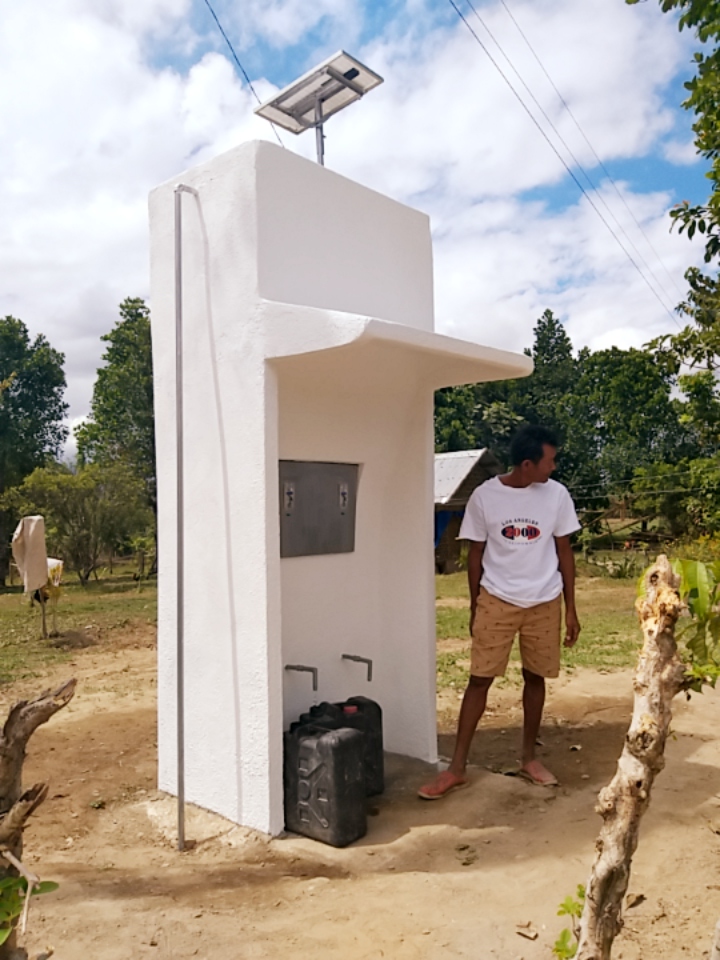
As of writing, more than 1,000 locally manufactured ram pumps have been installed to more than 595 communities, benefiting an estimated 295,000 people. Since the ram pump is powered by water itself, it does not pollute or produce waste. This innovation has become a beacon of sustainable and community-driven development, and has had a profound impact on communities living in upland areas in the Philippines in terms of water accessibility and security, health and sanitation, agricultural productivity, and community empowerment.
CASE INSIGHTS
AIDFI’s ram pump program is a social innovation that facilitates reliable access to clean water, thereby decreasing the incidence of water-related illnesses and alleviating pressure on healthcare facilities and resources. The sustainability of the ram pump and other social innovations related to water, sanitation, and hygiene ensures long-term benefits for health systems, as communities reap the benefits of clean water even after initial implementation.
The success of AIDFI’s ram pump program can serve as a model for integrated development approaches that prioritise both health and environmental sustainability. This will offer valuable insights to policymakers who address public health challenges related to water, sanitation, and hygiene.